
How to Create a Patient Experience Worth Sharing
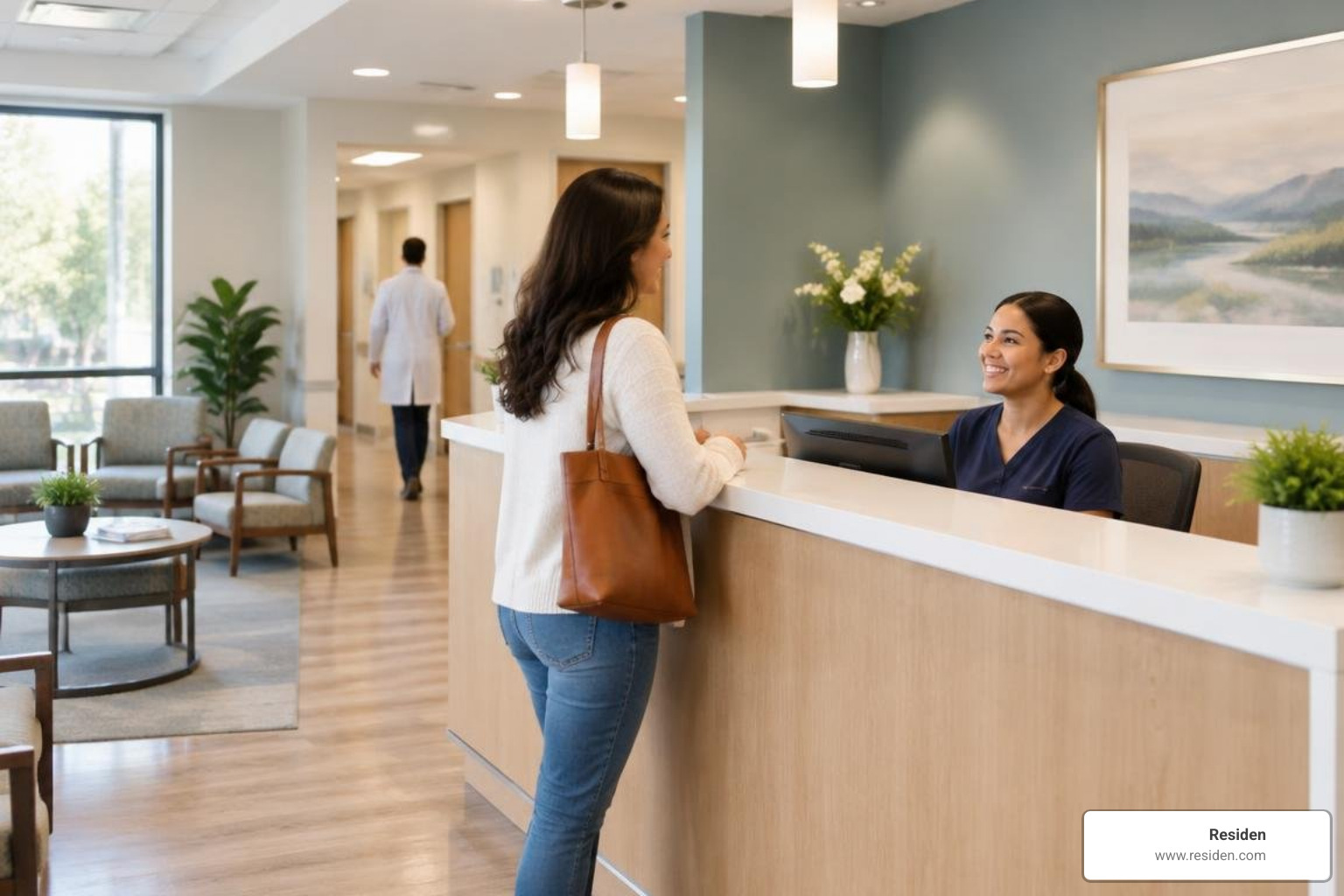
Make it easy for patients to get care, then make every interaction feel personal. Offer clear booking and visit instructions, start on time or explain delays, listen without rushing, and end with a care plan patients understand. Follow up when it matters, ask what could be better, and act on what you hear. The goal is not a perfect visit. It is a patient who feels heard, informed, and cared for.
I'm Dr. Jessica Wu, a dermatologist with more than 20 years in private practice and experience making house calls. In How to Create a Patient Experience People Tell Their Friends About, I draw on that one-on-one work to show how thoughtful care at each step can earn trust and, over time, referrals.
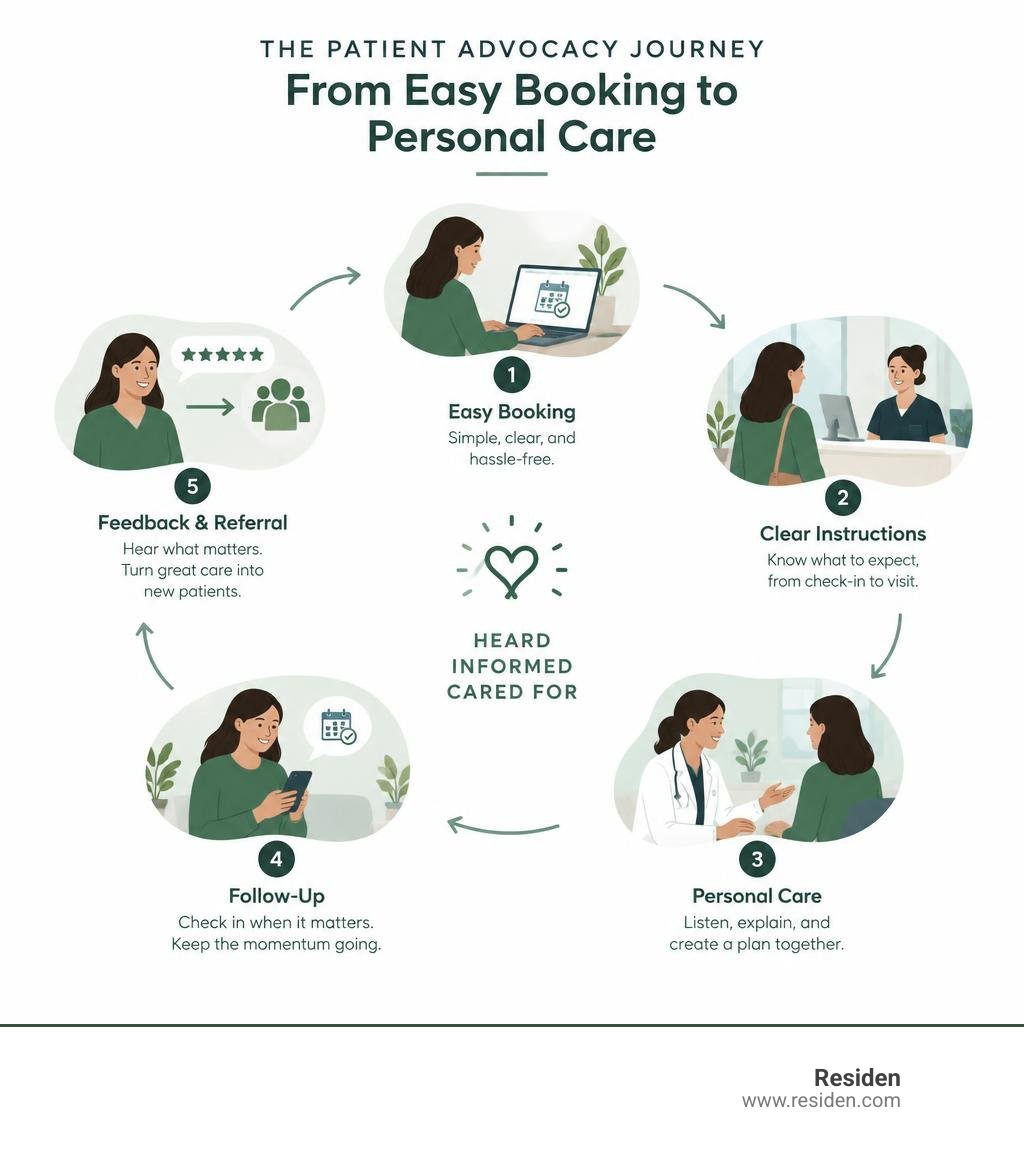
Why Patient Experience Drives Organic Practice Growth and Referrals
Referral velocity is the ultimate growth engine for an independent medical practice. When a patient has an exceptional encounter, they do not just return for routine follow-ups; they become active advocates within their personal networks. In modern healthcare, word-of-mouth remains the most credible and cost-effective form of patient acquisition. While traditional advertising requires ongoing spend, organic advocacy compounds over time.
Clinical competence is expected, but the overall journey determines whether someone recommends your practice. Research reveals that factors influencing how consumers choose providers extend well beyond board certifications. Patients evaluate access, communication, punctuality, and emotional resonance. When those touchpoints feel seamless, willingness to recommend climbs dramatically.
According to physician strategies for boosting patient loyalty, small, human-centered micro-behaviors directly influence patient advocacy. Furthermore, Athenahealth survey data reveals that when clinic wait times remain under five minutes, the patient willingness-to-recommend rate hits 82%. When wait times exceed 45 minutes, that metric plummets to 47%.
Managing patient perception also requires addressing sentiment drift. When satisfaction surveys are delayed by 30 to 40 days, average patient sentiment scores drop by up to 9 points. Immediate, positive experiences must be captured and reinforced in real time before the emotional impact fades.
Understanding the Difference Between Patient Satisfaction and Shareable Experiences
Patient satisfaction is a baseline measurement of whether an organization met minimum clinical and operational expectations. A patient who arrives, waits twenty minutes, receives an accurate prescription, and leaves without incident is technically "satisfied." However, mere satisfaction rarely sparks an enthusiastic recommendation over dinner with friends.
Active advocacy occurs when care transcends transactions to become relational. It is rooted in perceived empathy—the unmistakable feeling that the care team saw the patient as an individual rather than a chart number. In fact, research indicates that patients who feel treated as unique individuals are 12 times more likely to become active promoters of a practice. Creating a five-star patient experience means delivering moments of authentic connection that exceed routine expectations.
The Business Impact of Word-of-Mouth Patient Acquisition
From a business standpoint, word-of-mouth patient acquisition fundamentally transforms practice economics. Acquiring a new patient through paid search or digital advertising can cost hundreds of dollars in competitive urban markets. By contrast, organic referrals carry zero direct acquisition cost, boast higher lifetime value, and exhibit significantly higher treatment adherence.
Patients who arrive via a personal referral show up with pre-established trust. They cancel less often, comply more closely with long-term treatment plans, and are far more forgiving if an unexpected clinical delay occurs.
Moreover, patient experience directly correlates with clinical outcomes. Engaged patients who understand their treatment plans experience fewer complications and lower readmission rates. When your practice culture prioritizes the holistic journey, clinical quality and financial sustainability reinforce each other.
The 4-P Framework: How to Create a Patient Experience People Tell Their Friends About
To turn patient advocacy into a reliable operational system, practices can implement the 4-P Framework: Proactive, Personalized, Predictive, and Precise.

This model organizes every clinical and administrative touchpoint into a deliberate, repeatable workflow. Following structured steps for building an integrated patient experience program ensures that excellence is not left to chance or mood.
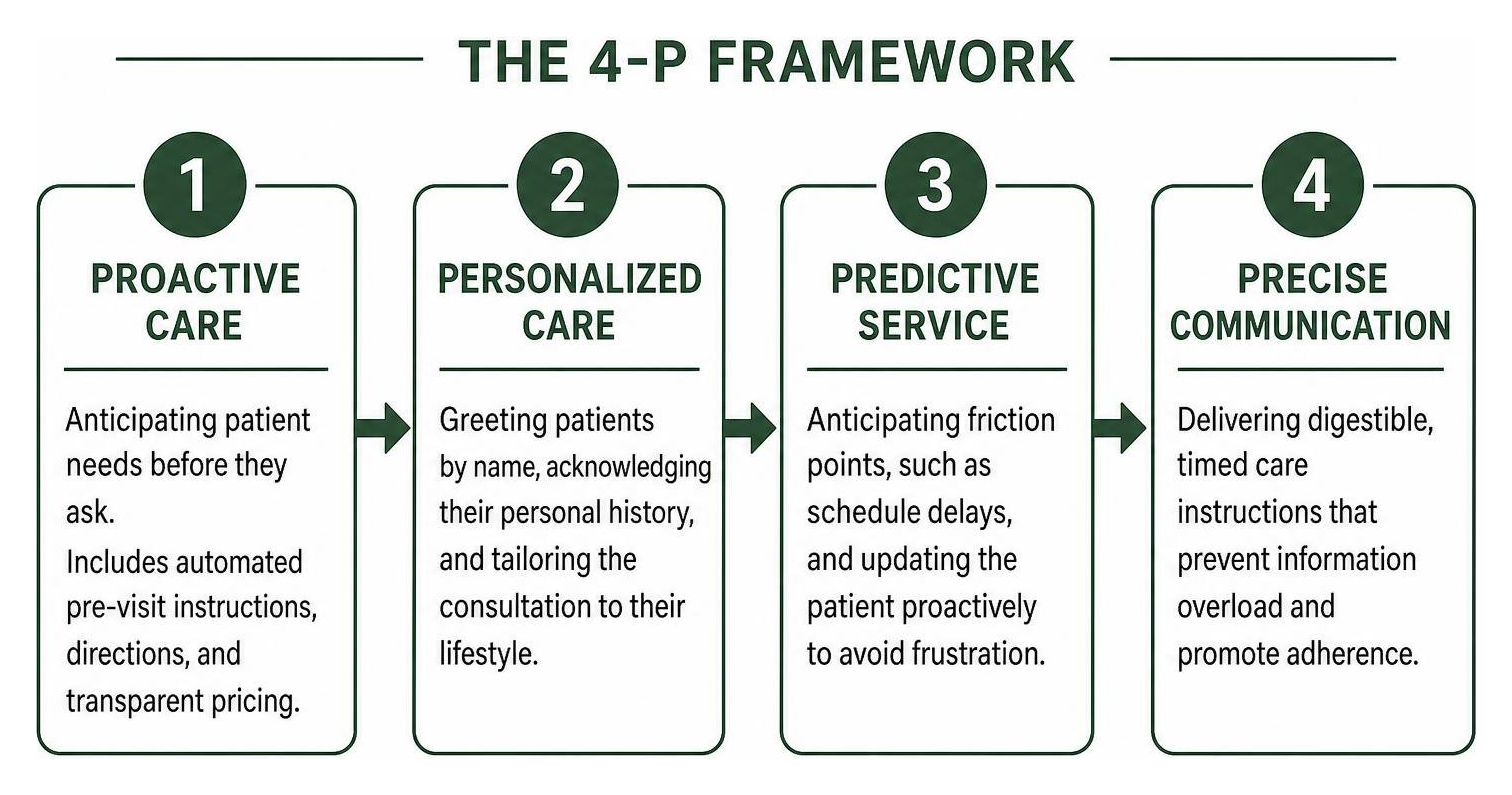
- Proactive Care: Anticipating patient needs before they ask. This includes sending automated pre-visit instructions, directions, and transparent pricing.
- Personalized Care: Greeting patients by name, acknowledging their personal history, and tailoring the consultation to their lifestyle.
- Predictive Service: Anticipating friction points, such as schedule delays, and updating the patient proactively to avoid frustration.
- Precise Communication: Delivering digestible, timed care instructions that prevent information overload and promote adherence.
Step 1: Laying the Groundwork on How to Create a Patient Experience People Tell Their Friends About Pre-Visit
The patient experience begins long before an individual steps into your exam room. The digital front door sets the emotional tone for the entire relationship. If booking an appointment requires multiple phone calls, navigating confusing phone trees, or filling out repetitive paper clipboards, patient frustration begins before the clinical interaction even starts.
Today, why modern patients prioritize convenience and seamless access is clear: consumers expect the same digital ease from healthcare that they receive from banking or hospitality apps.
- Digital Self-Scheduling: Provide intuitive, mobile-friendly online booking that syncs directly with your practice calendar in real time.
- Transparent Financial Estimates: Eliminate surprise billing by providing clear, upfront estimates and transparent payment options before treatment begins. Over 60% of patients express a desire for clearer digital financial engagement.
- Frictionless Digital Intake: Allow patients to complete medical histories and consent forms securely on their own devices prior to arrival, eliminating the waiting room clipboard entirely.
- Contextual Arrival Instructions: Send automated text messages with exact parking directions, suite access instructions, and entry protocols so the patient arrives relaxed rather than stressed.
Key Operational Tactics: How to Create a Patient Experience People Tell Their Friends About During Consultations
Within the consultation room, relational care takes center stage. On average, clinicians interrupt patients within eleven seconds of speaking. Breaking this habit is the single fastest way to elevate clinical rapport.
A 29-second moment of genuine human connection—asking about a patient's family, acknowledging a stressful commute, or simply sitting down at eye level before opening the chart—dramatically elevates perceived clinical empathy.
| Operational Touchpoint | Transactional Care Approach | Shareable Relational Care Approach |
|---|---|---|
| Initial Greeting | "What brings you in today?" while looking at the computer screen. | Greets by name at eye level, establishes 30 seconds of rapport before charting. |
| Schedule Delays | Leaves patient waiting in exam room without updates. | Sends real-time SMS updates; clinician verbally apologizes and validates time. |
| Physical Demeanor | Stands over patient, rapid typing, rushed voice. | Sits down, maintains open posture, engages in active listening. |
| Care Plan Delivery | Rapid medical jargon, printed generic summary sheet. | "Teach-back" method, plain language, customized action plan. |
| Checkout & Next Steps | Directs patient to front desk line for scheduling. | Direct bedside scheduling or seamless digital follow-up coordination. |
Practicing "split-second kindness"—introducing every team member, asking permission before physical examinations, and explaining diagnoses in plain language—leaves an indelible mark on patients who may feel vulnerable or anxious.
Designing the In-Person Environment to Build Immediate Trust
The physical environment communicates clinical standards before a clinician ever utters a word. Environmental psychology demonstrates that space, lighting, sound, and cleanliness directly impact a patient's nervous system.
A sterile, cluttered, or chaotic clinic induces anxiety, whereas an intentionally designed, tranquil setting communicates competence, discretion, and care. Understanding how upscale aesthetic clinic spaces cultivate patient trust helps practitioners create environments that soothe patients and elevate clinical authority.
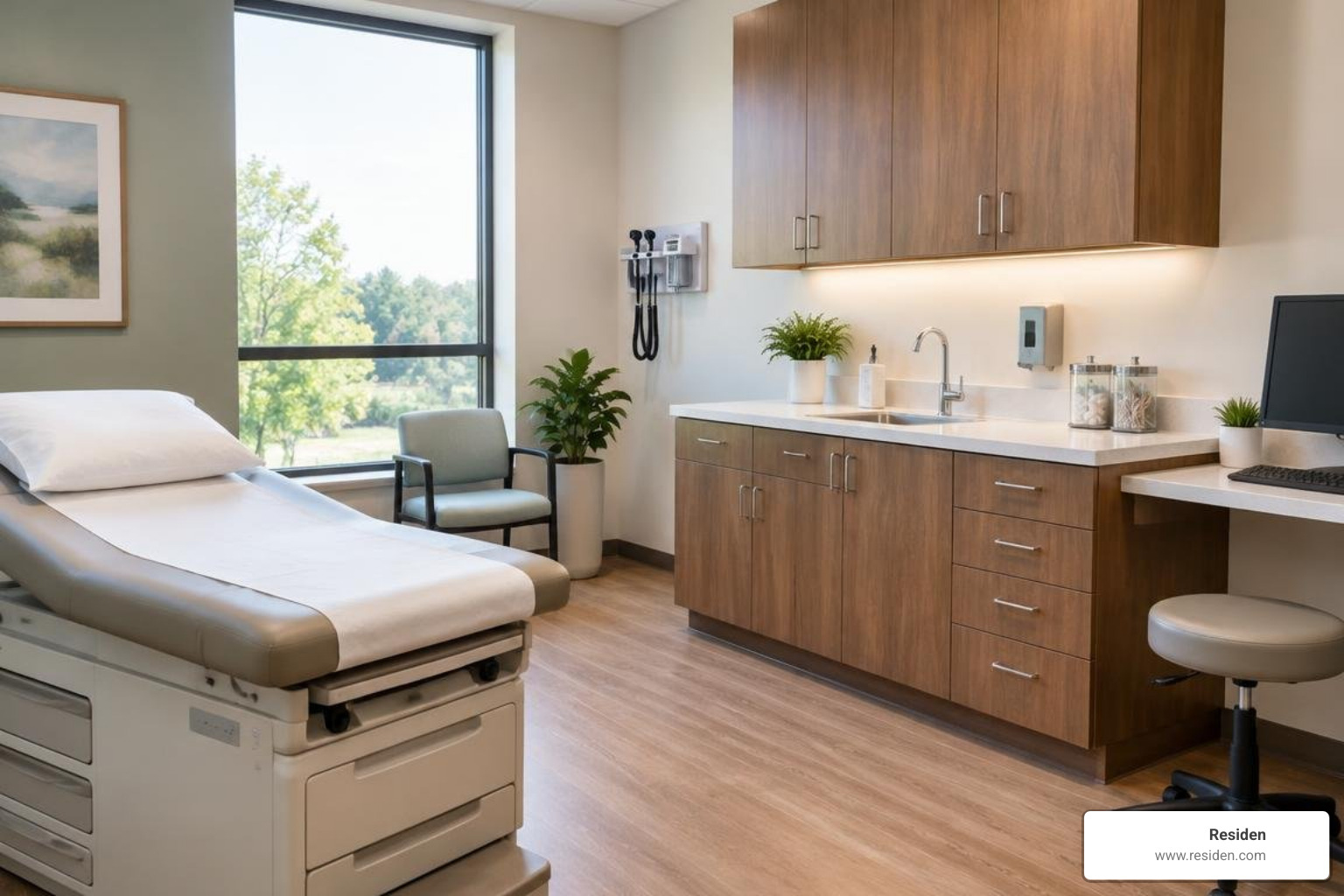
Elevating Clinical Spaces with Hospitality-Level Amenities
Transforming an office from a standard medical clinic into an upscale experience requires careful curation of sensory and operational details. Building a luxury patient experience centers on creating an environment that feels welcoming, private, and restorative:
- Acoustic Isolation and Privacy: Ensure exam and consultation rooms are acoustically isolated. Patients must know that their private medical discussions cannot be overheard in hallways or adjoining suites.
- Curated Sensory Cues: Ditch fluorescent fixtures for warm, natural lighting. Use subtle, high-end design finishes and keep physical spaces meticulously organized and clean.
- Uncrowded Arrival Lounges: Eliminate crowded, noisy waiting areas. By optimizing scheduling workflows, patients transition seamlessly from arrival directly into their private consultation suites.
- Boutique Hospitality Touches: Simple courtesies—such as offering sparkling water, providing device charging stations, and maintaining curated reading materials—signal that the patient is a valued guest.
Closing the Loop: Post-Visit Follow-Up and Continuous Feedback
The clinical relationship does not terminate when the consultation ends. A shareable patient journey extends into the hours and days following the appointment. Post-visit communication reinforces care compliance and proves that the provider remains invested in the patient's recovery.
High-Impact Post-Visit Touchpoints
- Next-Day Clinical Check-Ins: A brief SMS or portal message asking how a patient is feeling after a procedure reinforces care continuity.
- Clear Digital Care Summaries: Deliver digestible care plans directly to the patient's smartphone, complete with links to prescribed therapies and follow-up schedules.
- Rapid Feedback Loops: Deploy single-question text surveys within 24 to 48 hours to assess sentiment while the experience is fresh.
- Proactive Service Recovery: If a patient indicates dissatisfaction, contact them within 24 hours to address their concerns directly.
Activating Patient Advocates and Ethical Review Generation
Over 88% of consumers read online reviews before selecting a healthcare provider. However, satisfied patients often forget to leave feedback unless prompted systematically.
To convert positive in-clinic sentiment into organic reviews, implement ethical, HIPAA-compliant feedback workflows:
- Use Structured Narrative Prompts: Rather than asking for a generic rating, ask: "Did our team treat you with individual care today? What was the highlight of your visit?"
- Automate Direct Review Links: Send a direct link via SMS to your Google Business Profile shortly after a positive clinical milestone.
- Avoid Incentive Pitfalls: Never offer discounts or gifts in exchange for reviews. Maintain strict compliance with healthcare regulatory guidelines by keeping review requests voluntary and transparent.
- Engage with Feedback Publicly: Respond professionally to public reviews without disclosing protected health information (PHI), demonstrating that your practice values patient insights.
Preventing Staff Burnout to Sustain Relational Care
A fundamental truth of healthcare operations is that burned-out practitioners and clinical teams cannot deliver empathetic, shareable care. When clinicians are overwhelmed by administrative burdens, charting demands, and facility overhead, interpersonal warmth is often the first casualty.
Independent practitioners can protect their well-being by streamlining back-office operations and removing administrative friction. Leveraging modern digital tools and flexible medical office infrastructure allows clinicians to focus purely on patient engagement. When operational stress drops, providers can bring their best, most compassionate selves to every consultation.
Frequently Asked Questions About Creating Memorable Patient Experiences
What is the single most important factor in whether a patient recommends a practice?
The primary driver of patient recommendations is perceived relational empathy. While clinical competence is critical, patients advocate for practices where they feel recognized and treated as unique individuals. Active listening, unhurried attention, and clear, respectful communication during consultations have the highest statistical correlation with willingness to recommend.
How can independent practitioners reduce wait times without sacrificing care quality?
Reducing wait times requires operational precision rather than shorter appointments. Practices can achieve this by implementing digital pre-registration to eliminate waiting room paperwork, buffering schedule templates with 10-minute administrative blocks, and utilizing automated SMS notifications to inform patients in real time if unexpected clinical delays arise.
How quickly should a medical practice collect and respond to patient feedback?
Practices should collect feedback within 24 to 48 hours of an appointment to avoid sentiment drift. If a patient flags an issue or submits a low satisfaction rating, practice leadership should initiate service recovery within 24 hours. Resolving a concern quickly often turns an unhappy patient into a dedicated, loyal advocate.
Conclusion
Creating a patient experience that people eagerly share with friends is not about gimmicks; it is the natural outcome of respect, clarity, empathy, and operational excellence. When you honor a patient's time, listen attentively, design a tranquil physical environment, and follow up thoughtfully, advocacy follows organically.
For independent physicians, specialists, nurse practitioners, and wellness providers seeking to deliver exceptional care without the crushing overhead of traditional commercial leases, our medical coworking spaces provide an ideal foundation. We offer premium, fully equipped exam rooms, procedure rooms, and consultation rooms in premier Los Angeles locations, including Brentwood and Beverly Hills.
With turnkey facilities available on flexible hourly or daily terms and technology that enables a seamless, no-admin medical workspace, you can practice medicine on your own terms and focus entirely on your patients. Explore our medical coworking spaces to discover how a flexible medical office solution can elevate your patient experience and support your practice's growth.