
A Practical Guide to Creating a Five-Star Patient Experience
Why Most Practices Never Reach Five Stars (And How to Change That)

Creating a Five-Star Patient Experience is one of the highest-leverage things a healthcare practice can do — yet fewer than 8% of hospitals actually achieve it.
Here's a quick breakdown of what it takes:
- Empathy — Make every patient feel heard and seen as an individual
- Communication — Keep patients informed at every step, with no silence and no confusion
- Access — Make it easy to book, check in, and follow up
- Environment — Design a space that feels calm and welcoming, not clinical and cold
- Follow-through — Close the loop after every visit with structured outreach and feedback capture
Most practices genuinely care about their patients. The gap between caring and consistently delivering a five-star experience isn't a heart problem — it's a systems problem.
Consider this: more than 80% of healthcare organizations say they already have a patient experience program in place. Yet only 1 in 12 hospitals earns a five-star rating from their own patients. A 4.0-star rating on Google isn't just a PR issue — it's a structural one. And 80% of people will go elsewhere after reading bad reviews online.
The good news? The behaviors and systems that drive five-star ratings are learnable, repeatable, and scalable — whether you run a large group practice or see patients a few days a week in a shared office space.
I'm Dr. Jessica Wu, a Los Angeles-based dermatologist with over 20 years of private practice experience — including delivering care on Hollywood sets where patient comfort and discretion are non-negotiable. Creating a Five-Star Patient Experience has been central to building lasting patient trust throughout my career, and in this guide I'll share exactly what works, backed by both clinical insight and real operational data.
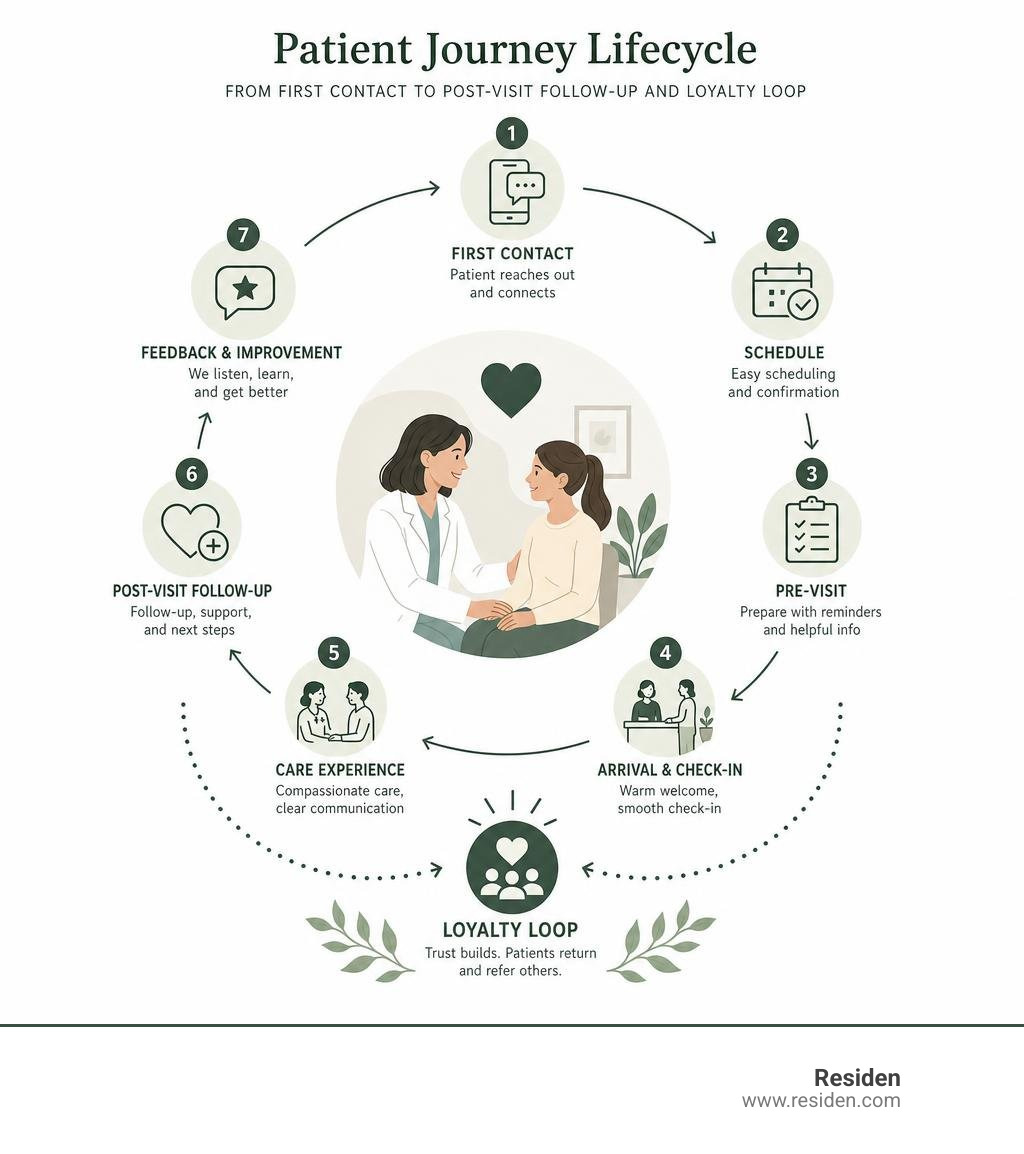
Creating a Five-Star Patient Experience: Experience vs. Satisfaction
To build a truly exceptional practice, we must first understand a critical distinction: patient experience is not the same thing as patient satisfaction.
Patient satisfaction is a retrospective feeling. It is a subjective evaluation of whether a patient’s expectations were met. Often, satisfaction is influenced by factors completely external to clinical care, such as a patient's mood on the day they receive their bill, or how long they spent finding parking.
Patient experience, on the other hand, is the real-time journey. It encompasses the quality of every single interaction a patient has with our healthcare system, from the very first phone call to the final discharge instructions.
| Feature | Patient Experience | Patient Satisfaction |
|---|---|---|
| Focus | The quality of real-time interactions across the entire journey | Retrospective feelings about whether expectations were met |
| Nature | Objective, behavioral, and operational | Subjective, emotional, and highly variable |
| Key Question | "Did our team communicate clearly and treat you with dignity?" | "Were you happy with your visit today?" |
| Measurement | Real-time tracking of touchpoints and operational metrics | Post-visit surveys, often delayed by weeks |
When we shift our focus from chasing high retrospective satisfaction scores to actively designing a Five-Star Patient Experience, we move away from transactional care and toward relational care.
The Core Pillars of Creating a Five-Star Patient Experience
A five-star experience is built on four core pillars:
- Empathy: Ensuring patients feel understood and treated as individuals. When patients feel they are treated as unique people, the odds of them becoming a "promoter" (highly likely to recommend your practice) increase by 12 times.
- Communication: Clear, transparent, and proactive dialogue. Silence is the primary enemy of the patient experience; patients are incredibly tolerant of delays if they receive proactive updates.
- Access: Frictionless scheduling, digital intake, and rapid responses. If patients have to jump through administrative hoops to see us, we have already lost the experience battle.
- Follow-up: Demonstrating ongoing care after they leave the office. The transition from the clinic to the home is one of the most vulnerable points in the patient journey.
Understanding these pillars helps explain why patients choose one clinic over another. You can learn more about these patient preferences in our deep dive on Choosing a Provider – What Factors Matter Most.
Why Creating a Five-Star Patient Experience Drives Practice Growth
In the competitive Los Angeles healthcare market, clinical excellence is merely the baseline expectation. Patients assume we are good at what we do clinically. What actually differentiates a practice and drives sustainable growth is the experience we deliver.
Investing in a systematic patient experience program is highly linked to better health outcomes, stronger medication adherence, and fewer readmissions. But it also has a massive impact on your bottom line. Loyal patients are 5 times more likely to choose your practice again and 4 times more likely to refer their friends and family. Because people are 4 times more likely to buy or book when referred by a friend, this organic word-of-mouth loop is the most cost-effective marketing engine available.
Conversely, ignoring the patient experience carries a heavy hidden cost. Around 90% of new patients consult a practice's Google Business Profile before they ever visit the website. If your online reputation sits below a 4.5-star rating, you are hitting a psychological barrier that quietly steers potential patients to other clinics. To build a program that systematically avoids these pitfalls, check out this guide on How to Build a Patient Experience Program in 10 Steps.
Mapping the Patient Journey: Key Touchpoints for Service Excellence
To consistently deliver a high-end experience, we must map out the entire patient journey. We cannot rely on good intentions; we need to design every touchpoint with operational intention.

Pre-Visit: Digital Accessibility and First Impressions
The patient experience begins long before the patient walks through our clinic door. In fact, many practices quietly lose patients during the pre-arrival phase due to slow response times or clunky administrative processes.
To create a seamless first impression, we must optimize our digital touchpoints:
- Online Scheduling: Allow patients to book appointments at their convenience without waiting on hold.
- Automated SMS Reminders: Send timely reminders via text. SMS open rates hover around 98% (compared to just 20% for email), and most text messages are read within three minutes of arrival.
- Digital Intake Forms: Let patients fill out their medical history, insurance, and consent forms on their own devices before they arrive. This minimizes waiting room administration and keeps your schedule running on time.
In-Office: Reducing Anxiety Through Hospitality-Inspired Design
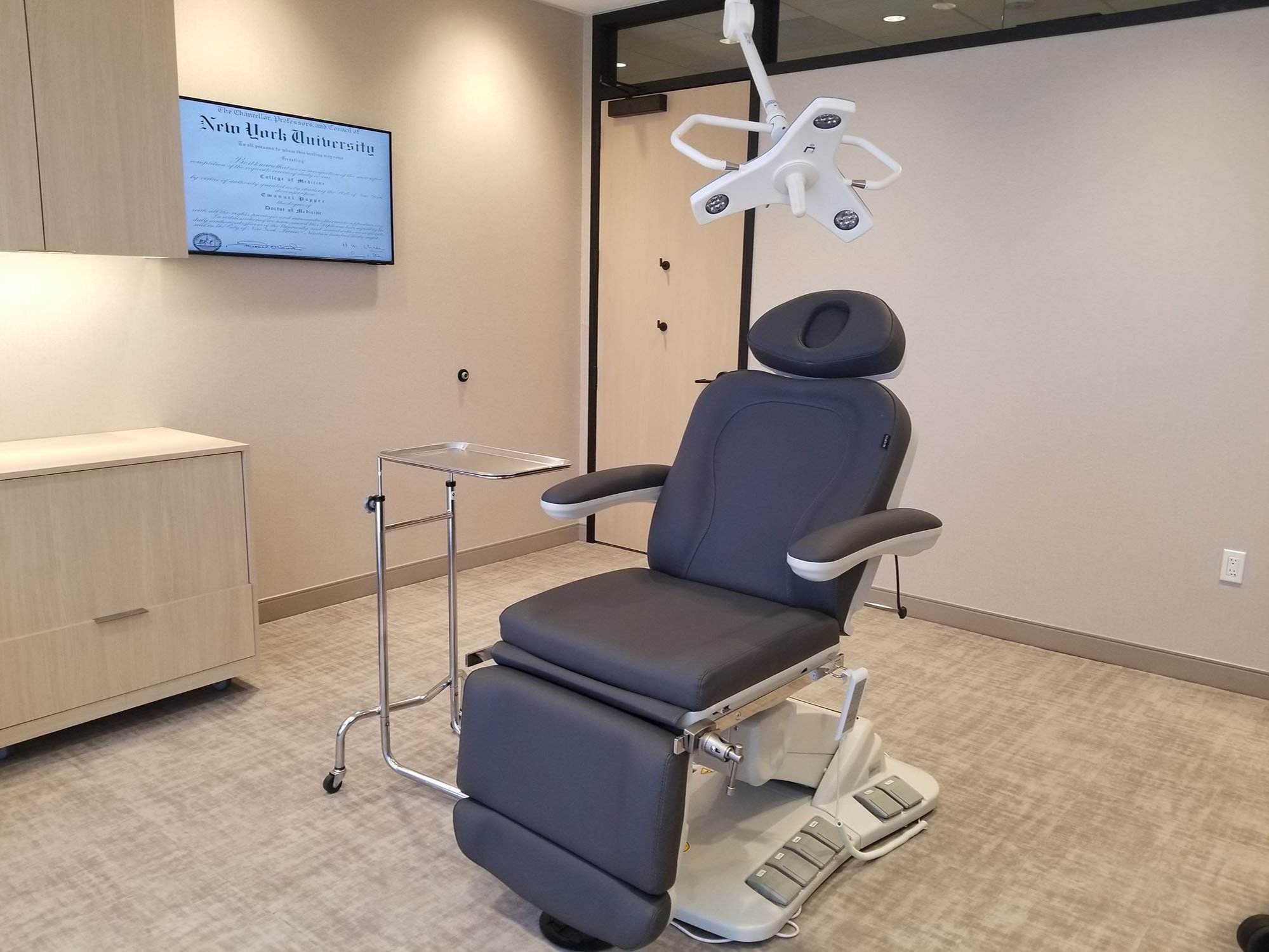
When a patient arrives, their anxiety levels are often at a peak. The traditional, sterile clinical environment—harsh fluorescent lighting, cold plastic chairs, and outdated magazines—only amplifies this tension.
By taking inspiration from luxury hotels, we can transform the waiting room into a calming, non-sterile environment. High-end aesthetics, warm lighting, and comfortable seating immediately signal safety and professionalism. This visual comfort is a powerful tool for easing patient anxiety and building immediate trust. For a closer look at how physical environments shape patient perceptions, read A Comprehensive Guide to How Aesthetic Spaces Increase Patient Trust.
Post-Visit: Active Feedback Capture and Service Recovery
The hours immediately following checkout are incredibly valuable. Patient sentiment peaks during the visit and begins to fade rapidly within 30 to 60 minutes after departure. This is when we must actively capture feedback.
Instead of waiting weeks for a paper survey to arrive in the mail, practices should use automated post-visit SMS surveys triggered immediately after checkout.

By implementing a sentiment triage system, we can automatically route 4- and 5-star ratings to public review platforms like Google, while directing 1- to 3-star ratings to a private, internal form. This gives the practice manager an immediate opportunity for service recovery—resolving the patient's issue privately before they post a negative public review.
Hospitality-Inspired Strategies to Elevate Patient Comfort
To truly elevate your practice to a five-star standard, look to the luxury hospitality industry. The goal is to treat patients not as clinical cases to be processed, but as valued guests to be cared for.
Sensory Elements and Physical Space Optimization
We can dramatically reduce patient tension by optimizing the sensory elements of our clinical spaces.
- Aromatherapy: Subtle scents like lavender or eucalyptus can neutralize clinical odors and soothe anxious patients.
- Acoustics: Soft background music or noise-canceling headphones during treatments help mask clinical sounds.
- Lighting and Seating: Ditch the harsh fluorescent bulbs for warm, indirect lighting, and provide plush seating.
Every detail matters, down to the design of the treatment rooms themselves. To see how optimizing physical layouts can improve both comfort and clinical flow, explore our insights on Examining the Exam Room.
The 29-Second Connection and Empathetic Communication
Empathetic communication is a behavior, not just an intention. One of the most powerful tools in clinical communication is the "29-second connection."
Research shows that taking just 29 seconds at the start of an encounter to connect with a patient on a personal, non-clinical level—asking about their day, their family, or their hobbies—makes them feel significantly more valued as an individual.
Furthermore, we should train our teams to use "warm handoffs." Instead of pointing a patient toward the exit, a staff member should physically and verbally introduce the patient to the next team member, ensuring a seamless transition of care.
Staff Training and Overcoming Burnout
A five-star service culture cannot exist if your team is exhausted and overwhelmed by administrative burdens. Burned-out staff simply do not have the emotional bandwidth to deliver warm, relational care.
To protect our teams and our patient experience, we must automate routine tasks like booking, reminders, and intake forms. By removing manual administrative friction, we free up our front-desk staff to focus entirely on welcoming and engaging with patients in person. Protecting your team's energy is essential to maintaining clinical excellence. Learn more about cultivating a thriving practice culture in our guide on What is Joy in Medicine?
Frequently Asked Questions About Patient Experience
What is the difference between patient experience and patient satisfaction?
Patient experience is an operational, real-time metric that measures the quality of every interaction across the patient journey. Patient satisfaction is a retrospective, subjective evaluation of whether a patient's expectations were met, which can easily be skewed by external factors like billing or parking.
How can a practice recover from a negative patient review?
The best approach is proactive service recovery. By using automated SMS surveys immediately after checkout, you can catch unhappy patients privately. If a negative review does make it online, respond professionally, take the conversation offline immediately, and work to resolve the issue directly with the patient.
What role does technology play in modern patient care?
Technology should act as a bridge that enhances human connection. By automating administrative tasks—such as digital intake, automated reminders, and online scheduling—you reduce front-desk burdens, giving your staff more time to focus on delivering warm, personalized care in the office.
Conclusion
Creating a Five-Star Patient Experience is not about superficial luxury; it is about building a consistent, empathetic system that respects your patients' time, comfort, and individuality.
At Residen, we make it easy for healthcare professionals in Los Angeles to deliver this premium standard of care. We provide turnkey, shared medical office rentals—including fully equipped exam, procedure, and consultation rooms—in prime locations like Beverly Hills and Brentwood.
Our flexible hourly and daily bookings require no long-term leases, membership fees, or setup costs, allowing you to practice in beautiful, patient-friendly spaces designed to build trust from the moment your patients walk through the door.
Ready to elevate your practice and deliver a five-star experience in Los Angeles? Get Started with Residen today.
For more practical tips on running a modern, efficient practice, explore our guides on The Residen Difference, The Perks of Private Practice, and The Easy Way to Book Equipped Exam Rooms.