
Cheat Sheet to Why Patients Visit Your Website But Don’t Book an Appointment
The Real Reasons Why Patients Visit Your Website But Don't Book an Appointment

Acquiring website traffic is only half the battle in modern private practice marketing. Most healthcare marketing strategies pour thousands of dollars each month into search engine optimization (SEO), local Google Maps visibility, and targeted paid search ads. Yet, when prospective patients actually land on the page, clinics often experience an unexpected silence.
The baseline average conversion rate for healthcare websites sits at approximately 3.2%, while top-tier medical websites consistently reach conversion benchmarks exceeding 7% to 10%. When you look at analysis on clinic website conversion barriers, it becomes clear that driving high-intent visitors to a generic, static landing page creates a costly conversion gap.
Prospective patients do not evaluate medical websites the way they browse casual lifestyle content. They arrive with urgent questions, personal health vulnerabilities, and distinct criteria. When evaluating key factors patients weigh when choosing a provider, their decisions hinge on accessibility, clinical credibility, clear operational expectations, and frictionless next steps. If a clinic website fails to provide immediate clarity across these points within seconds, visitors return to the search results to find a competing practice.
Technical Friction: Why Patients Visit Your Website But Don't Book an Appointment on Mobile
More than 65% to 75% of all healthcare-related digital traffic originates on mobile devices. When patients research symptoms or search for specialists, they are typically on smartphones between meetings or running errands. If your site is built desktop-first, conversion friction multiplies immediately.
The most critical mobile friction points include:
- Slow Page Load Latency: A user’s bounce probability increases by 32% as page load time extends from one to three seconds. More than 50% of mobile visitors abandon a website completely if it takes longer than three seconds to load over cellular data.
- Unstable Core Web Vitals: Cumulative Layout Shift (CLS) causes buttons to move as assets render, leading prospective patients to tap unintended links or back out in frustration.
- Cognitive Overload and Tap Fatigue: Presenting patients with five consecutive screens, mandatory account creation, or lengthy multi-field questionnaires before displaying an appointment calendar introduces immediate drop-off.
- Hidden Calls to Action (CTAs): Forcing patients to pinch, zoom, or navigate complicated nested hamburger menus just to locate a booking button causes immediate drop-off.
Trust Gaps: Why Patients Visit Your Website But Don't Book an Appointment Immediately
Healthcare is an inherently high-stakes, high-trust field. When patients consider scheduling a clinical consultation, minor aesthetic procedure, or specialized treatment, they actively look for reassurance. Over 84% of healthcare consumers review online patient ratings before choosing a clinician.
When websites rely on generic stock photography of models in sterile lab coats, trust erodes. Real human connection drives healthcare decisions. Patients look for:
- High-resolution, professional photography of the actual physicians and clinical spaces.
- Transparent credentials, board certifications, and clear clinical bios.
- Third-party verified patient testimonials and aggregate star ratings displayed near key decision points.
- Concrete clinical results or clear explanations of procedural workflows.
Practices focused on attracting high-value patients through credibility establish immediate authority by showcasing their clinical expertise, real facility environments, and authentic patient outcomes before asking prospective patients to schedule.
Hidden Pricing and Vague Insurance Information
Unexpected clinical expenses are a primary source of anxiety for patients. When a website fails to clearly articulate insurance participation, payment policies, or baseline consultation fee structures, prospective patients hesitate.
Leaving visitors guessing about whether their commercial plan is accepted—or requiring them to fill out a contact form simply to ask about basic out-of-network costs—creates an immediate barrier. Over 75% of patients report that upfront financial transparency significantly increases their trust in a provider. Clear insurance carrier badges, transparent out-of-pocket policies, and self-pay ranges allow prospective patients to move forward with confidence.
Converting Traffic Into Confirmed Appointments: Key Website Fixes
Transitioning a medical practice website from a passive digital brochure into an automated patient acquisition system requires structural optimization. Eliminating technical complexity and administrative delays directly recovers lost appointments.
| Website Element | Static Brochure Website | High-Converting Patient Booking Engine |
|---|---|---|
| Booking Mechanism | Passive "Contact Us" email web form | Real-time interactive scheduling calendar |
| Mobile Optimization | Responsive desktop layout | Thumb-friendly interface with sub-2-second load times |
| Financial Clarity | "Call our office for insurance verification" | Prominent insurance badges and clear fee ranges |
| Trust Indicators | Generic stock photos & buried credentials | Authentic facility photos, provider bios & verified reviews |
| Scheduling Speed | 24–48 hour email turnaround delay | Instant self-selection and automated SMS confirmation |
Implementing Frictionless Self-Scheduling Workflows
To capture high-intent patients, clinics must remove administrative hurdles from the booking path:
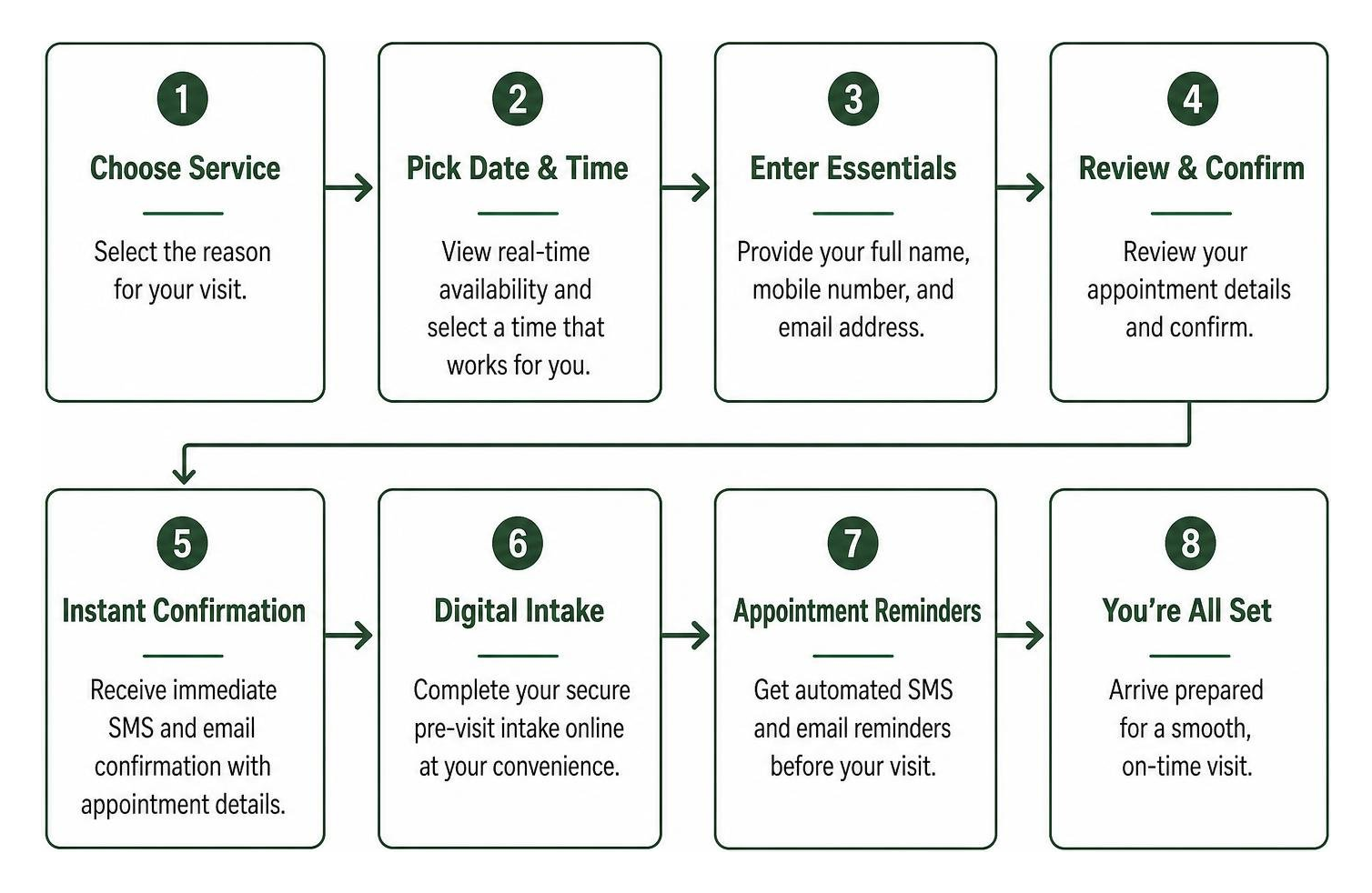
- Reduce Form Fields to Essentials: During initial booking, collect only the patient’s full name, mobile number, email address, and preferred appointment window. Secondary intake data, extensive medical histories, and photo IDs can be automated via pre-visit digital onboarding workflows.
- Provide Real-Time Calendar Integration: Modern patients expect 24/7 direct scheduling. Direct synchronization with your practice calendar prevents double-booking while securing high-intent evening and weekend traffic.
- Automate Instant Confirmations and Reminders: Dispatch immediate SMS and email booking confirmations containing calendar invites, intake directions, and location details to minimize early cancellations.
Establishing Visible Trust Signals and Provider Authority
To convert cautious visitors into booked appointments, place credibility indicators directly along the scheduling path:
- Display real-time aggregate star ratings and verified patient testimonials right beside your primary scheduling CTAs.
- Feature video introductions from treating clinicians to build rapport before the patient sets foot in the exam room.
- Include clear digital privacy seals and HIPAA compliance badges to reassure patients that their submitted data remains secure.
Combining digital clarity with transparent communication lays the groundwork for creating a five-star patient experience online.
Transforming Practice Operations to Eliminate Patient Drop-Off
Digital conversion is inextricably linked to real-world operational execution. A well-designed website cannot compensate for operational bottlenecks. Industry data indicates that 42% of inbound healthcare phone calls go unanswered during peak business hours, and 60% of callers placed on hold for over 60 seconds hang up permanently.
Understanding why convenience matters to modern patients is essential for independent providers. Patients view their digital booking experience as a preview of your physical clinical care.
Integrating Digital Booking with Practice Workflows
By connecting your online booking engine with automated practice management software, you can eliminate manual administrative burdens:
- Automated Intake Forms: Send digital pre-visit intake forms via text message immediately after scheduling, reducing waiting room check-in times.
- Automated Appointment Reminders: Deploy automated 48-hour and 24-hour appointment confirmations to protect provider utilization and minimize no-shows.
- Lead Recovery Protocols: Automatically trigger SMS or email re-engagement for patients who start the booking workflow but drop off before confirming.
These operational automations illustrate the value of building automated practice systems that support consistent patient volume without demanding continuous administrative oversight.
Delivering Seamless In-Person Convenience
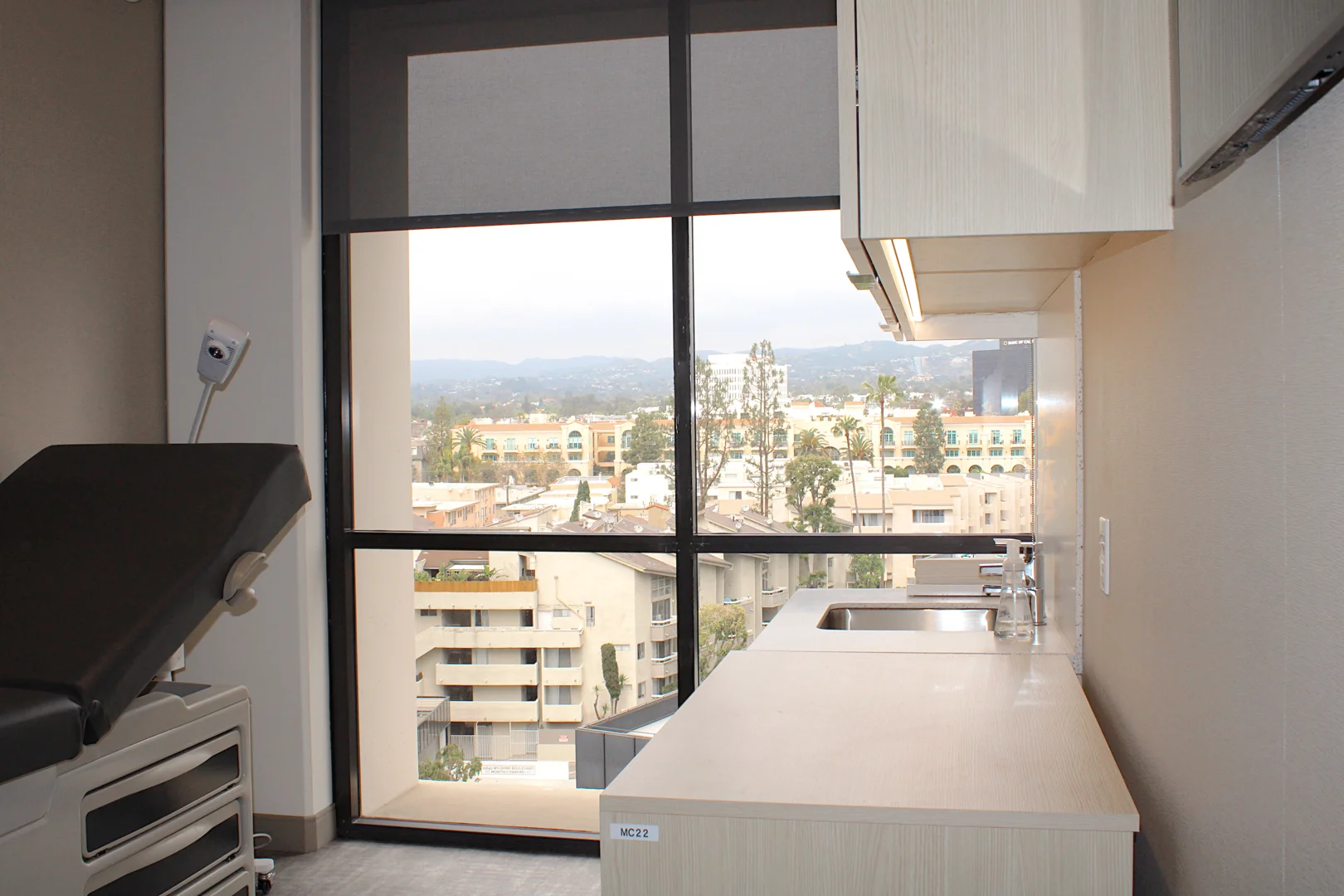
The patient experience begins with digital booking and continues through arrival at the clinic. Independent specialists, aesthetic medical professionals, and wellness clinicians need high-standard clinical environments that match their digital presence.
Practicing out of dated facilities or handling administrative real estate overhead can distract from clinical care. Delivering a professional physical arrival, modern check-in, and fully equipped clinical space ensures that high-intent patients who book online become loyal, long-term advocates for your practice.
Frequently Asked Questions About Patient Booking Drop-Off
What is an average conversion rate for a medical practice website?
The typical healthcare website conversion rate averages around 3.2%. However, practices utilizing high-performance mobile infrastructure, transparent financial policies, and real-time self-scheduling tools regularly achieve conversion rates between 7% and 12%.
Why are prospective patients bouncing from my appointment scheduling page?
Patients frequently abandon scheduling pages due to slow load times, excessive form fields requiring sensitive intake details upfront, lack of real-time slot selection, or ambiguous out-of-network pricing policies.
How can independent clinics increase online appointment completions?
Clinics can increase booking completions by adopting a mobile-first booking interface, keeping initial forms to three or four essential fields, embedding third-party review widgets directly on service pages, and integrating automated SMS confirmations.
Conclusion
Fixing a leaky patient acquisition funnel does not always require spending more on digital advertising or search engine campaigns. In most cases, the solution lies in auditing your digital patient journey, eliminating mobile technical friction, providing transparent pricing and credentials, and replacing static contact forms with modern self-scheduling workflows.
For independent physicians, nurse practitioners, physician assistants, dermatologists, plastic surgeons, and wellness specialists building private practices across Southern California, matching a high-converting digital presence with an exceptional physical space is vital.
Residen provides turnkey medical coworking spaces in Los Angeles—specifically in premier medical corridors in Brentwood, CA (11620 Wilshire Blvd) and Beverly Hills, CA (433 N Camden Dr Ste 610). Our flexible medical office solutions offer fully equipped exam rooms, consultation rooms, and procedure rooms available on an hourly, daily, or longer-term basis without long-term commercial leases or membership fees. Supported by advanced operational technology, our no-admin healthcare workspaces allow you to practice medicine on your own terms, minimize overhead, and provide a seamless care experience from first click to final treatment.
Schedule a tour of our turnkey medical coworking spaces at Residen to explore how our flexible medical office rentals can support your practice.