
The Ins and Outs of Shared Medical Procedure Space
What Is a Shared Medical Procedure Space (And Why More Providers Are Choosing It)
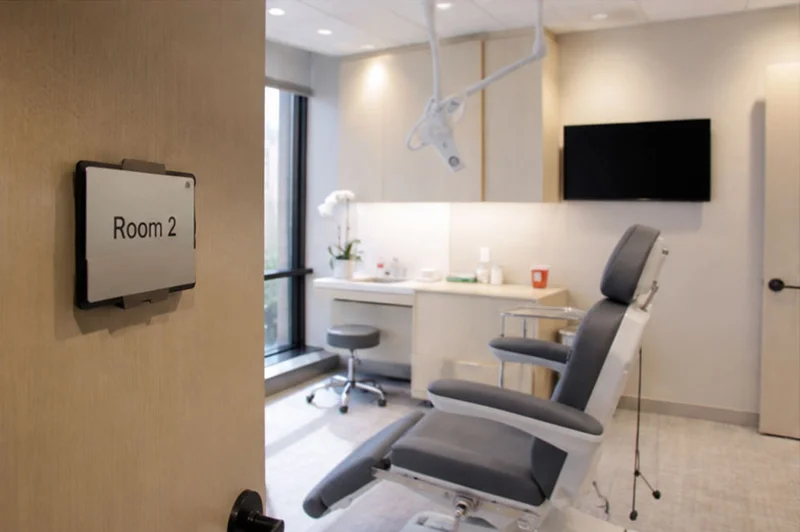
Shared medical procedure space is a model where healthcare professionals rent fully equipped clinical rooms — including procedure rooms, exam rooms, and consultation suites — on a flexible, as-needed basis, without signing long-term leases or paying for space they don't use.
Here's a quick overview of how it works:
| Feature | Shared Medical Procedure Space |
|---|---|
| Lease commitment | None — book hourly, daily, or weekly |
| Upfront costs | No build-out or security deposit required |
| Equipment | Included (exam tables, EKG, ultrasound, and more) |
| Compliance | HIPAA and OSHA standards built in |
| Who it's for | Independent providers, specialists, growing practices |
| Typical savings | Up to 30% less than traditional office overhead |
Running a private medical practice has never been simple. Between traditional leases starting at $3,000–$7,000 per month, build-out costs that can exceed $50,000, and multi-year commitments, the financial barriers are steep — especially for independent providers who don't need a full-time office.
That's exactly why shared medical procedure spaces have grown so quickly as an alternative. They give you a professional, compliant, fully equipped place to treat patients — without the overhead that comes with owning or leasing your own clinic.
And the timing matters. As of April 2026, nearly 25% of physicians in health system-led organizations are actively considering leaving for more autonomous settings. Shared spaces are a direct response to that shift.
I'm Dr. Jessica Wu, a Los Angeles-based dermatologist who has spent over 20 years practicing privately — including performing procedures in a variety of clinical settings — and I've seen how shared medical procedure space can remove the financial and logistical barriers that hold so many talented providers back. In this guide, I'll walk you through everything you need to know to decide if this model is right for your practice.
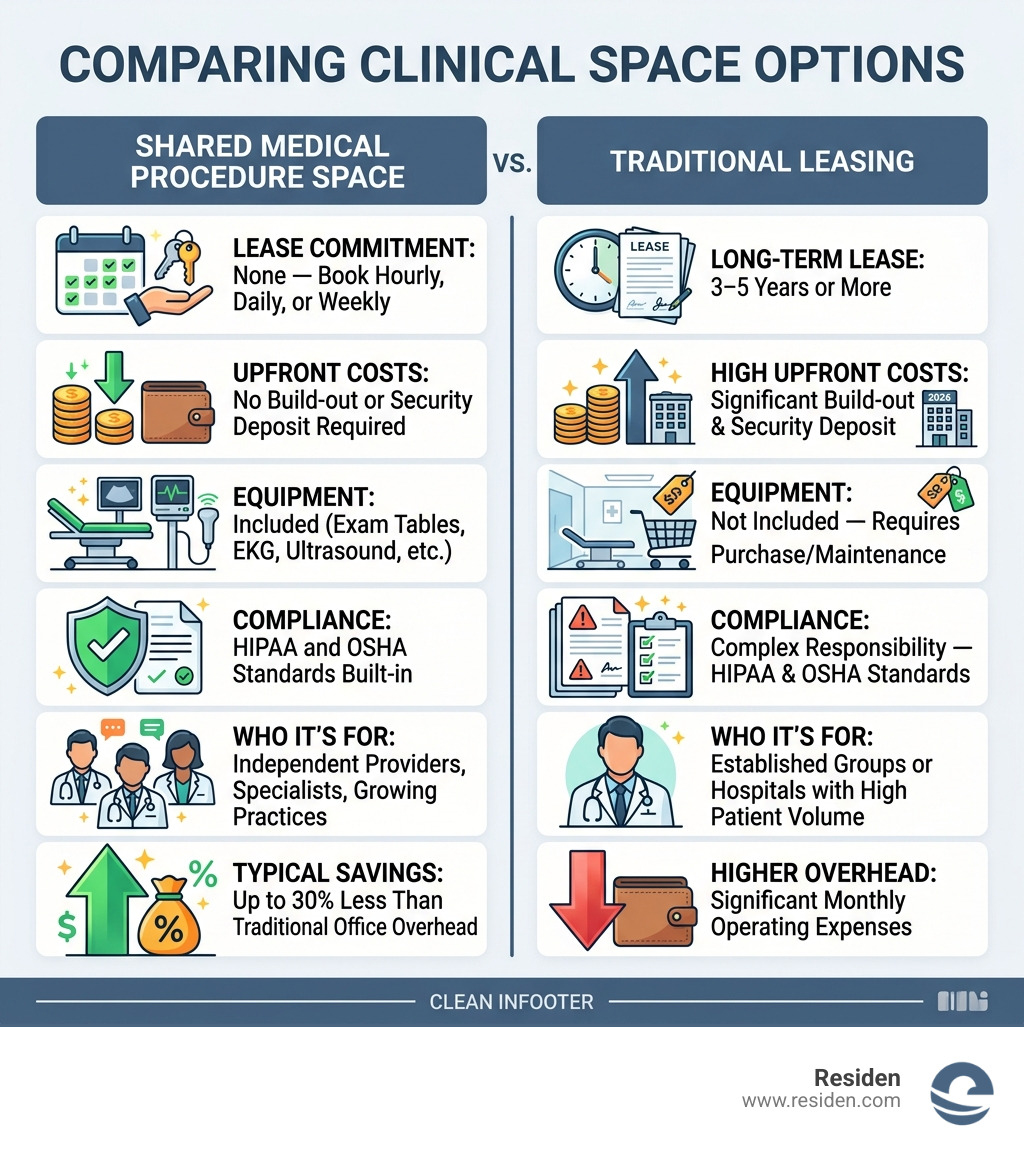
Understanding Shared Medical Procedure Space vs. Traditional Leasing
When we talk about the evolution of healthcare real estate in April 2026, the biggest shift is the move away from rigid, long-term commitments. Traditionally, if a surgeon or a specialist wanted to open a practice in Beverly Hills or Brentwood, they were looking at a 3-to-5-year lease as a minimum.
The Real Estate Barrier
In a traditional lease, you aren't just paying for the square footage where you treat patients. You are paying for the hallways, the empty waiting room at 8:00 AM, and the breakroom you barely use. Traditional medical leases often start around $3,000–$7,000 per month for a single office, and that doesn't even include utilities, cleaning, or a receptionist.
When you factor in the capital expenditure for a clinical build-out—which can easily cross the $50,000 mark—the "barrier to entry" for a new practice is more like a brick wall.
The Turnkey Advantage
In contrast, a shared medical procedure space offers a turnkey solution. At Residen, we provide Medical Procedure Rooms that are ready the moment you walk in. You don’t have to worry about facility management, plumbing for medical sinks, or high-speed internet installation. We handle the "boring" stuff so you can focus on the "healing" stuff.
| Financial Factor | Traditional Lease | Residen Shared Space |
|---|---|---|
| Security Deposit | Often $10,000+ | Minimal to none |
| Build-out Costs | $50,000 - $100,000+ | $0 |
| Monthly Fixed Cost | High (regardless of patient volume) | Variable (pay only for what you use) |
| Maintenance & Cleaning | Your responsibility | Included |
Key Benefits of Utilizing a Shared Medical Procedure Space
Why are so many practitioners in Los Angeles making the switch? It isn't just about the money (though that’s a big part of it). It's about practice autonomy and operational efficiency.
Massive Cost Reduction
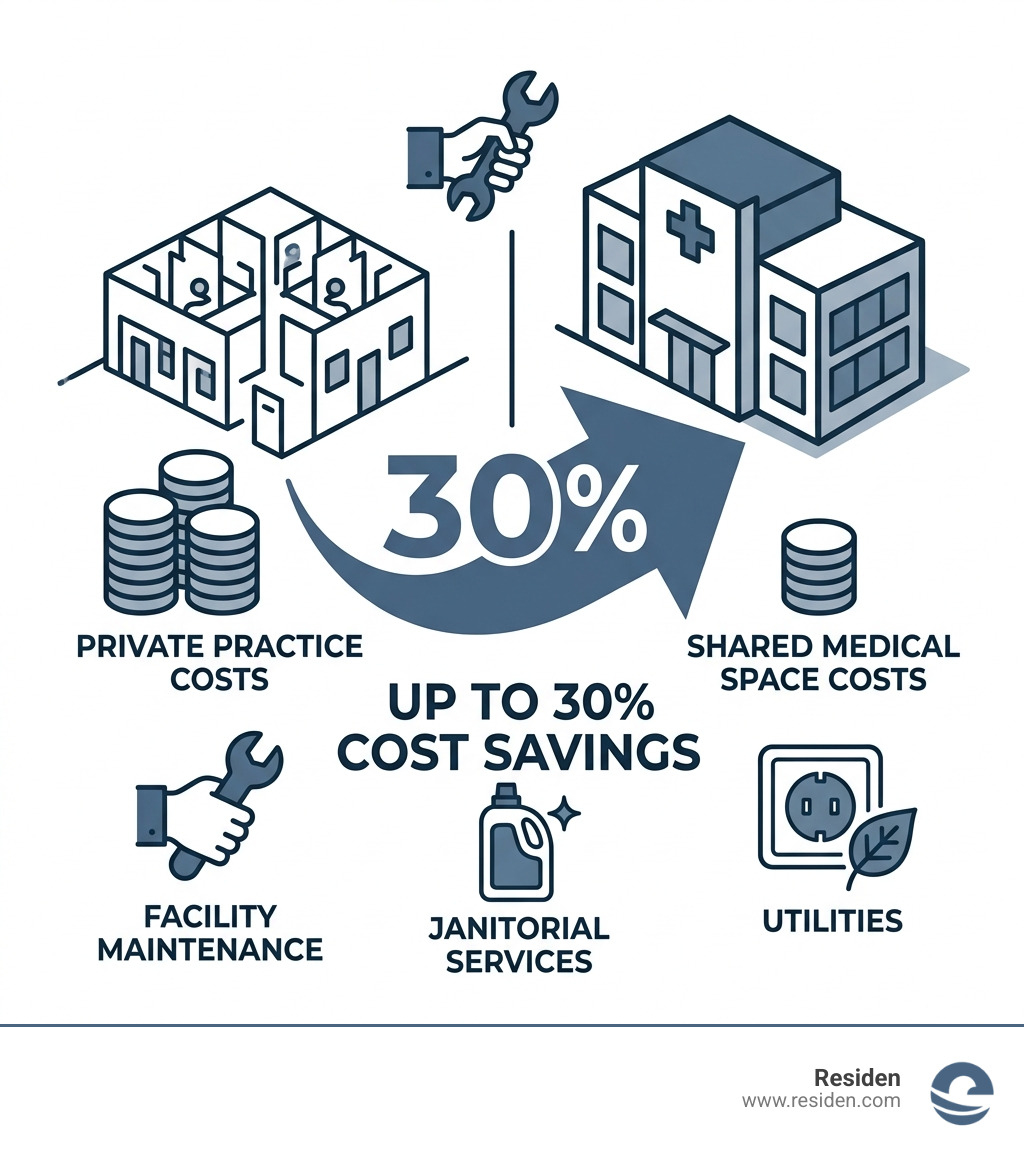
Data shows that medical practices can save upwards of 30% on operational costs by moving to a shared model. By eliminating fixed overhead, you turn your largest expense into a variable one. If you only see patients on Tuesdays and Thursdays, why are you paying for a room on Monday, Wednesday, and Friday? Utilizing a Shared Integrative Medical Space allows you to align your expenses directly with your revenue.
Networking and Multidisciplinary Collaboration
One of the most underrated Benefits of Medical Coworking for Healthcare Professionals is the community. In a traditional office, you’re on an island. In a shared environment, a cardiologist might be down the hall from an endocrinologist. This proximity fosters organic referrals and multidisciplinary collaboration that can significantly improve patient outcomes. Imagine being able to walk down the hall to consult a colleague about a complex case in real-time.
Scalability and Reduced Burden
For a growing practice, scalability is vital. You might start with a few hours a week and, as your patient base grows, scale up to several full days. This flexibility allows for a "low-risk" expansion. Furthermore, the administrative burden of managing a building—dealing with broken HVAC systems or hiring cleaning crews—is completely removed from your plate.
Essential Amenities and Equipment in Shared Facilities
A common misconception is that "shared" means "basic." In reality, professional Medical Exam Rooms in shared facilities are often better equipped than many private offices.
Clinical Essentials
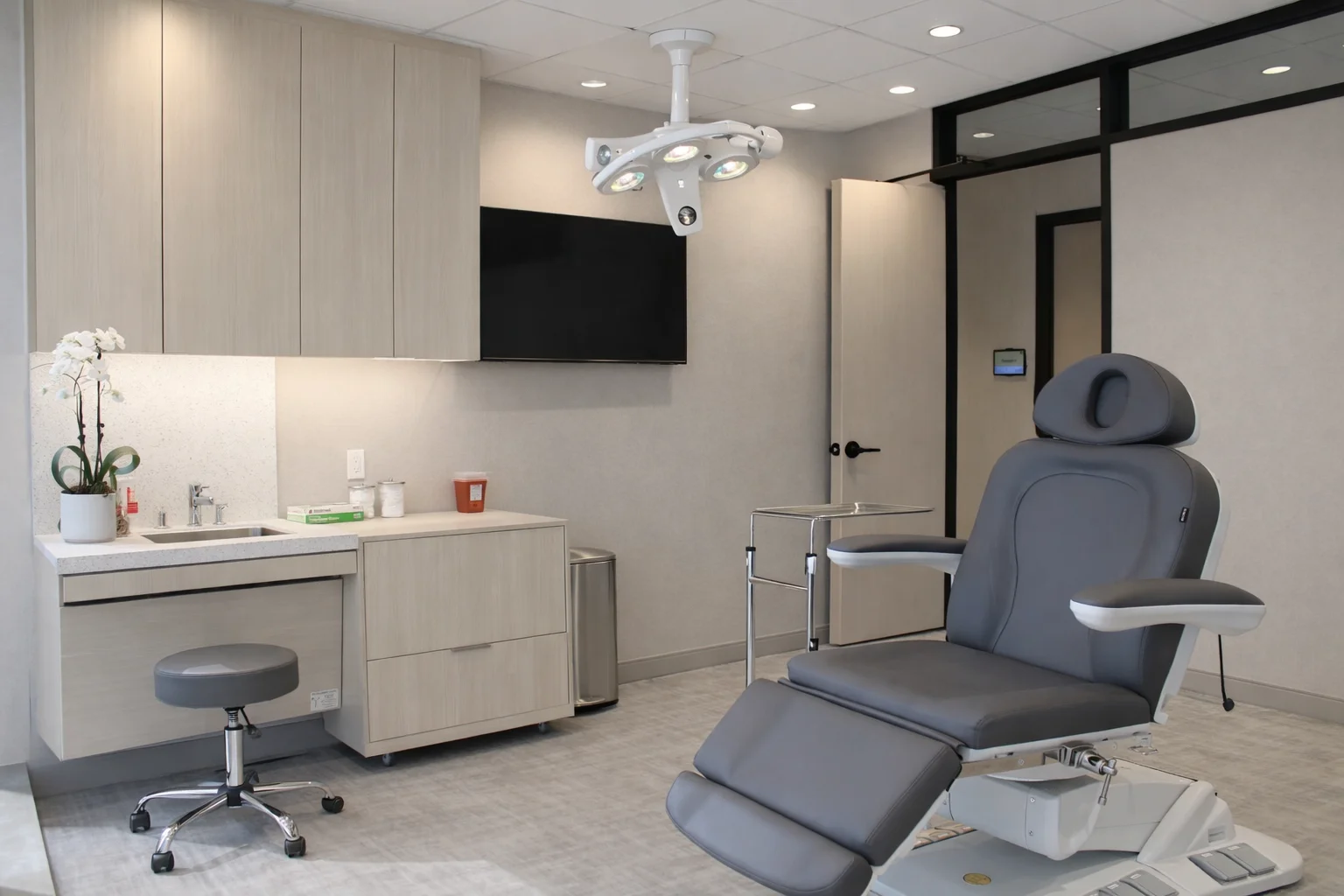
When you step into a Residen procedure room, you’ll find the clinical infrastructure necessary for high-level care. This includes:
- Specialized Equipment: From EKG machines and portable ultrasounds to otoscopes and blood pressure cuffs.
- Compliance Features: Every room is designed with Examining the Exam Room in mind, ensuring medical-grade flooring, proper lighting, and sinks.
- Biohazard Disposal: OSHA-compliant sharps containers and biohazard waste management are standard.
Technology and Patient Flow
The patient experience starts at the door. Modern shared spaces utilize patient check-in kiosks and high-speed Wi-Fi to keep the "office" part of the visit seamless. We also provide dedicated specimen rooms and staff stations to ensure that your clinical workflow remains uninterrupted.
Navigating Challenges: Privacy and Scheduling in Shared Environments
We know what you’re thinking: "What about patient privacy?" It's a valid concern. Research indicates that about 25% of practitioners express concerns regarding patient privacy and confidentiality in shared settings.
Solving the Privacy Puzzle
At Residen, we address these Shared Medical Office Space Pros and Cons for Healthcare Professionals through intentional design. Our rooms feature enhanced soundproofing and private, enclosed consultation areas to ensure that "sharing" the facility doesn't mean sharing your patient's private information.
Seamless Scheduling
The "coworking" aspect is managed by proprietary booking systems. You don’t have to worry about someone "double-booking" your room. Whether you need an Hourly vs Daily rental, our system ensures your space is reserved and ready exactly when you need it. This digital-first approach allows for smooth patient flow management and integrates easily with most modern EHR systems.
Frequently Asked Questions about Medical Coworking
What medical specialties are best suited for a shared medical procedure space?
The versatility of a shared medical procedure space makes it ideal for a wide range of specialties. We frequently see:
- Dermatology & Aesthetics: Perfect for Botox, fillers, and laser treatments.
- Minor Surgery: Specialists in podiatry or plastic surgery use these rooms for outpatient procedures.
- IV Therapy & Regenerative Medicine: These practices benefit from the sterile, professional environment without the need for a 2,000-square-foot suite.
- Pain Management: Ideal for consultations and non-invasive injections.
- Wellness & Integrative Medicine: A great fit for those offering holistic care in a clinical setting like Medical Boulevard - Premium Medical Space in Beverly Hills.
How do these facilities ensure HIPAA and OSHA compliance?
Compliance is the backbone of what we do. We don't just provide "rooms"; we provide "clinical environments." This includes:
- Sanitation Protocols: Medical-grade cleaning between sessions.
- Secure Infrastructure: Encrypted Wi-Fi networks to protect patient data.
- Physical Security: Private Consultation Rooms and secure access controls.
- Regulatory Alignment: Our spaces are designed to meet the rigorous standards of both HIPAA (for privacy) and OSHA (for safety), including proper sharps disposal and ventilation.
How to choose the right shared medical procedure space provider?
When looking for a partner in Los Angeles, consider these three pillars:
- Location Accessibility: Is it in a medical hub like Beverly Hills or Brentwood where your patients already travel?
- Transparency in Pricing: Look for providers with clear Pricing models. Avoid hidden "membership fees" or "utility surcharges." Check our Pricing 1 and Pricing 2 pages for examples of straightforward rates.
- Reputation and Equipment: Does the provider maintain their equipment? Are the rooms truly turnkey, or will you need to bring your own exam table?
Conclusion
The future of healthcare is independent, flexible, and efficient. As we move through 2026, the old model of "signing a 10-year lease and hoping for the best" is being replaced by the shared medical procedure space.
Whether you are an established specialist looking to open a satellite office in Beverly Hills, or a new practitioner starting your first clinic in Brentwood, our turnkey solutions are designed to support your growth. By removing the financial weight of traditional real estate, we empower you to do what you do best: care for your patients.
Are you ready to see how the modern clinical environment can transform your practice? Book your shared medical procedure space today and take the first step toward a more autonomous, cost-effective future.