
The Complete Guide to Building a Family Medicine Practice on the Westside of LA
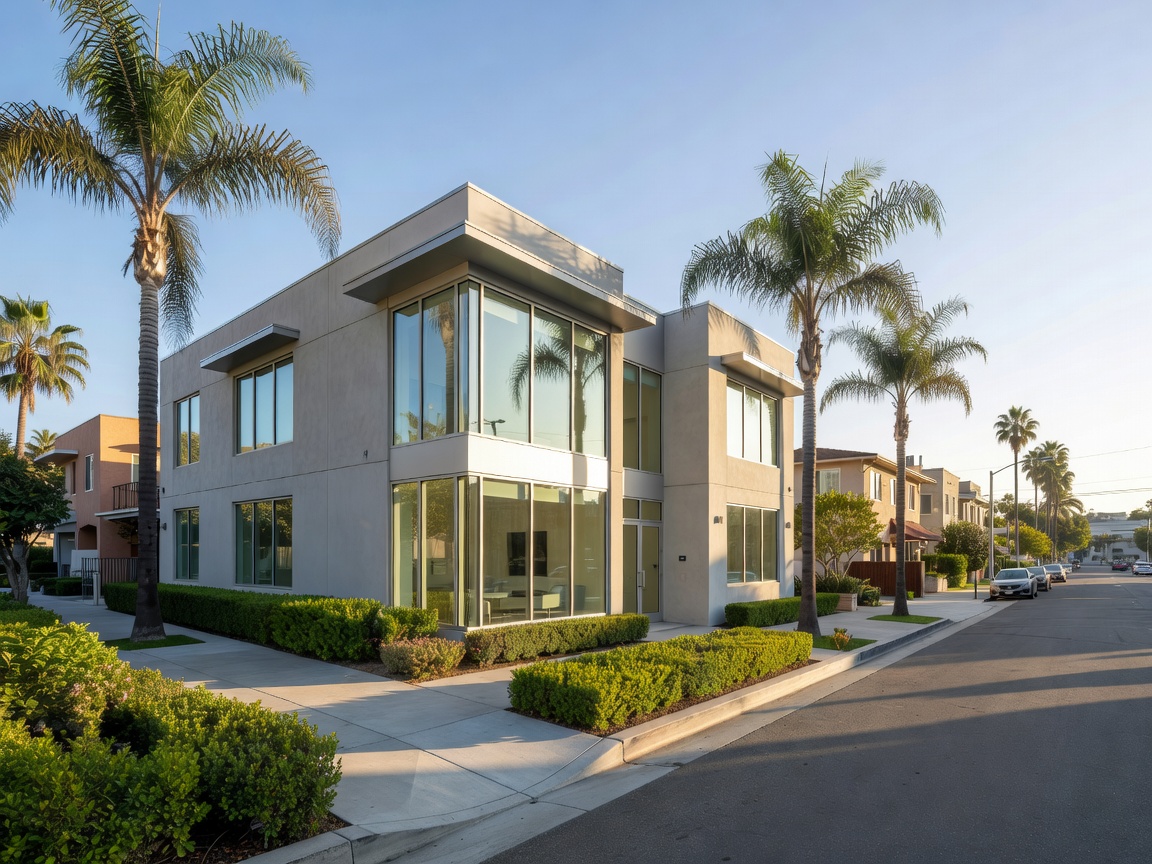
Establishing a thriving family practice requires understanding the geographic nuances of West Los Angeles. From Santa Monica and Brentwood to Culver City, Beverly Hills, and Marina del Rey, each neighborhood presents distinct patient demands, lifestyle habits, and health coverage profiles.
Analyzing Demographics and Patient Expectations in West LA
Westside LA features a diverse demographic landscape. In affluent enclaves like Beverly Hills, Brentwood, and Santa Monica, patients frequently seek boutique-level service, multi-generational primary care, and seamless digital scheduling. Busy working professionals and families value speed, convenience, and direct access to their physicians.
Patients on the Westside increasingly treat healthcare like any other modern service. To understand these evolving demands, explore Why West LA Patients Value Convenience More Than Ever.
Across all income levels, patients value core clinical attributes:
- Active Listening: Patients expect physicians who review chart notes before stepping into the room.
- Unhurried Consultations: Rushed visits decrease satisfaction and lower retention rates.
- Clear Diagnostic Explanations: Explaining the rationale behind tests and prescriptions builds long-term trust.
Integrating into the Westside Healthcare Ecosystem
An independent practice does not operate in isolation. Integrating into the local ecosystem involves forming referral channels with regional hospital hubs such as UCLA Health, Cedars-Sinai Medical Center, and Providence Saint John's Health Center. Hospital affiliations and local network leadership foster patient trust.
Equally important are community-focused safety-net organizations. Clinics such as the Westside Family Health Center, which has served LA County since 1974, and Venice Family Clinic provide comprehensive care to thousands of lower-income and uninsured residents. Establishing relationships with larger networks—such as Cedars-Sinai Primary Care - West Los Angeles—allows independent practitioners to seamlessly transition complex cases while remaining rooted in localized, personal care.
Core Operational Components and Clinical Service Scope
A sustainable family practice model must balance broad primary care services with efficient operational workflows and structured revenue management.
Designing Patient-Centric Primary Care Offerings
Family medicine practices succeed by serving as the primary care hub for the entire family. Incorporating specialized service lines broadens clinical reach and improves long-term patient retention:
- Pediatrics and Adolescent Medicine: Providing developmental checks, sports physicals, and immunizations.
- Women's Health and Menopausal Management: Offering annual wellness exams, PAP smears, bioidentical hormone evaluations, and menopausal transition support.
- Lactation Counseling and Prenatal Care: Supporting new mothers through early post-partum visits and feeding consultations.
- Preventive Wellness and Chronic Disease Management: Focusing on metabolic health, cardiovascular risk reduction, and routine screenings.
Operational Logistics for Building a Family Medicine Practice on the Westside of LA
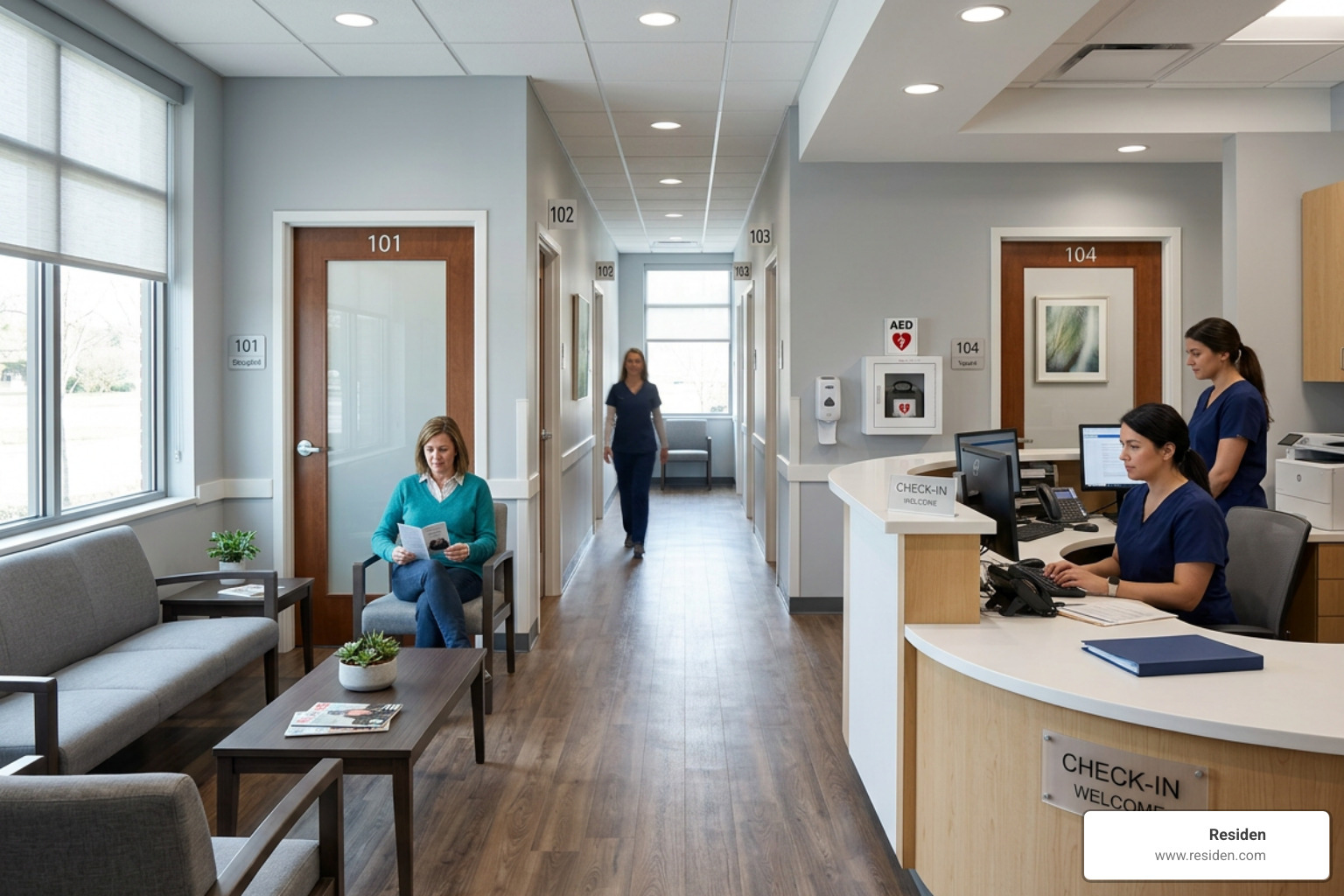
Operational accessibility dictates patient satisfaction in high-traffic Los Angeles neighborhoods. Offering early morning hours (starting at 7:30 AM) or extended mid-week evening slots accommodates working parents and commuters who cannot take time off during standard working hours.
From a financial management perspective, accepting a balanced payer mix ensures practice stability:
- Commercial PPO Networks: Broad coverage for local corporate employees and families.
- Medicare and Medicare Advantage: Critical for serving the aging populations in Santa Monica and Westwood. Highly regarded community physicians, such as Kyung-Ah Cho Anderson, MD and Anne M. Arikian, MD, demonstrate how accepting major commercial and Medicare Advantage plans expands patient reach.
- Hybrid Insurance and Cash-Pay Options: Combining insurance reimbursement with direct-pay wellness programs creates predictable cash flow. To evaluate billing strategies, read our guide on Cash Pay vs Insurance.
Provider Recruitment, Retention, and Patient Trust
Recruiting skilled physicians and retaining satisfied patients are two sides of the same operational coin in competitive healthcare markets.
Recruiting Top Physicians in a Competitive Market
Recruiting family medicine physicians in Los Angeles requires competitive, well-structured compensation packages. Recent recruitment data for a Family Medicine Physician in Los Angeles highlights base salaries around $260,000, $15,000 sign-on bonuses, fully paid healthcare benefits, and annual CME allowances.
Beyond financial compensation, modern physicians prioritize work-life balance. Practices offering predictable schedules—such as a 4:30 PM daily end time with no nights or weekends—achieve significantly higher clinician retention and lower burnout rates.
Establishing Long-Term Patient Trust: Lessons from Local Leaders

Building patient loyalty on the Westside relies on consistent, compassionate bedside manner. Top-rated local family physicians consistently emphasize simple operational habits:
- Pre-Visit Chart Reviews: Reviewing lab trends and past specialist notes before entering the exam room makes visits efficient and reassuring.
- Transparent Reasoning: Patient satisfaction rises when doctors clearly explain why a particular intervention or screening is recommended.
- Responsive Patient Communication: Utilizing secure patient messaging for non-urgent follow-ups demonstrates respect for the patient's time.
Health Equity, Community Partnerships, and Financial Sustainability
A comprehensive family practice strategy acknowledges regional health disparities while preserving practice viability.
Navigating Community Health Needs and CBPR Strategies
Addressing neighborhood-level health disparities requires direct community engagement. Utilizing Community-Based Participatory Research (CBPR) frameworks—pioneered locally by academic institutions like UCLA Family Medicine—helps practices identify unaddressed community needs through school surveys, local faith-based groups, and non-profit partnerships.
In regions designated as Health Professional Shortage Areas (HPSAs), practices and individual providers can unlock federal loan repayment programs and enhanced reimbursement structures, offsetting the costs of safety-net clinical care.
Balancing Safety-Net Services with Financial Viability
Safety-net programs serve thousands of marginalized Westside residents living at or below 200% of the federal poverty level. Independent practices can contribute to community health equity by navigating state access programs:
- Family PACT: Provides family planning and reproductive health services to eligible lower-income residents.
- Every Woman Counts (EWC): Offers free breast and cervical cancer screenings.
- Title X and Medi-Cal Integration: Expands access for low-income families while delivering baseline clinic reimbursements.
Balancing subsidized public care programs with commercially insured or direct-pay services maintains financial health. To review the autonomy and financial potential of self-directed clinical practice, read about The Perks of Private Practice.
Technology Integration and Overhead Optimization
Managing real estate and overhead expenses represents the single greatest administrative challenge for physicians launching a practice in West Los Angeles.
Flexible Medical Workspace Models for Building a Family Medicine Practice on the Westside of LA
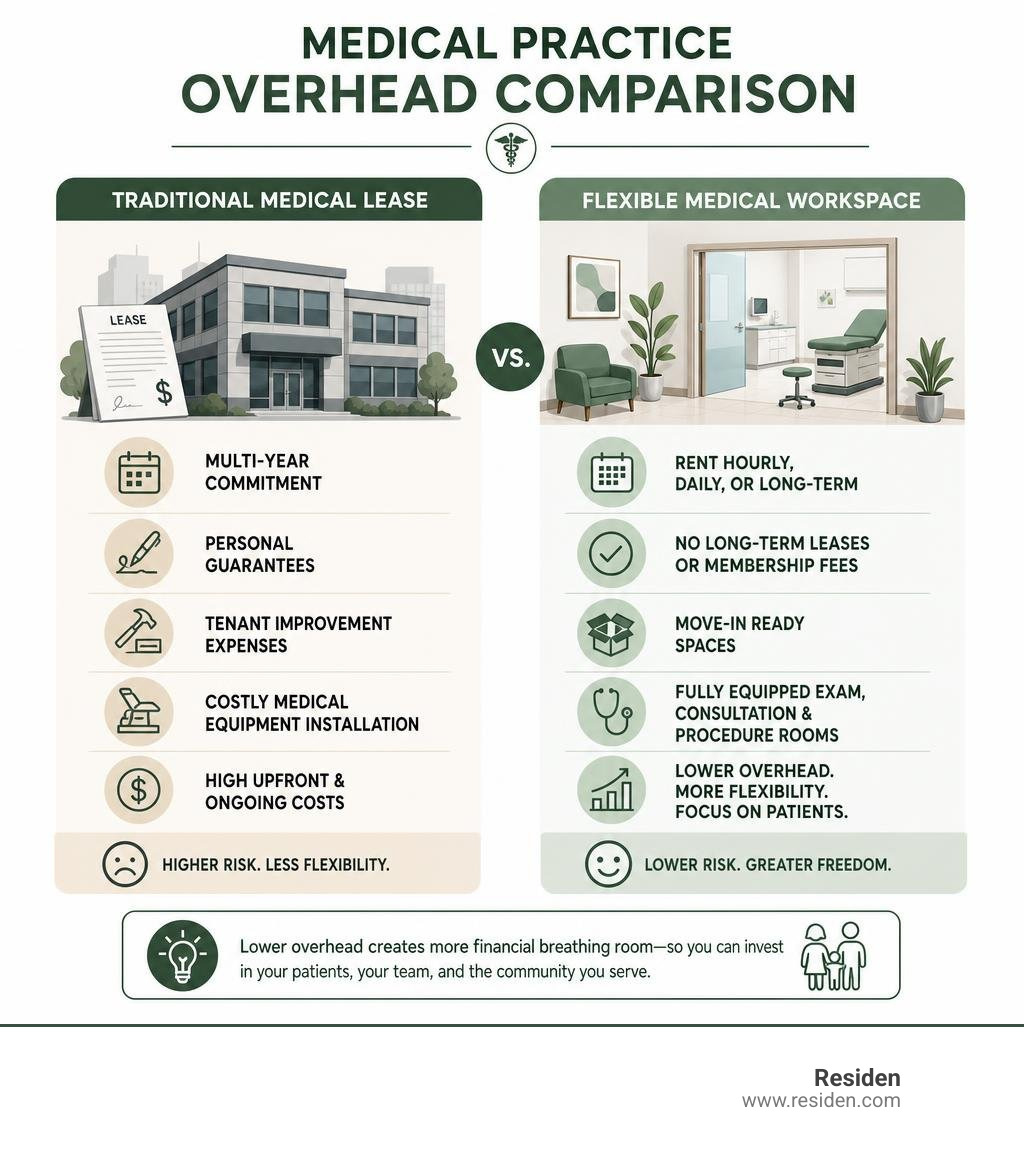
Traditional commercial medical leases on the Westside carry heavy financial commitments: multi-year terms, personal guarantees, tenant improvement expenses, and costly medical equipment installation.
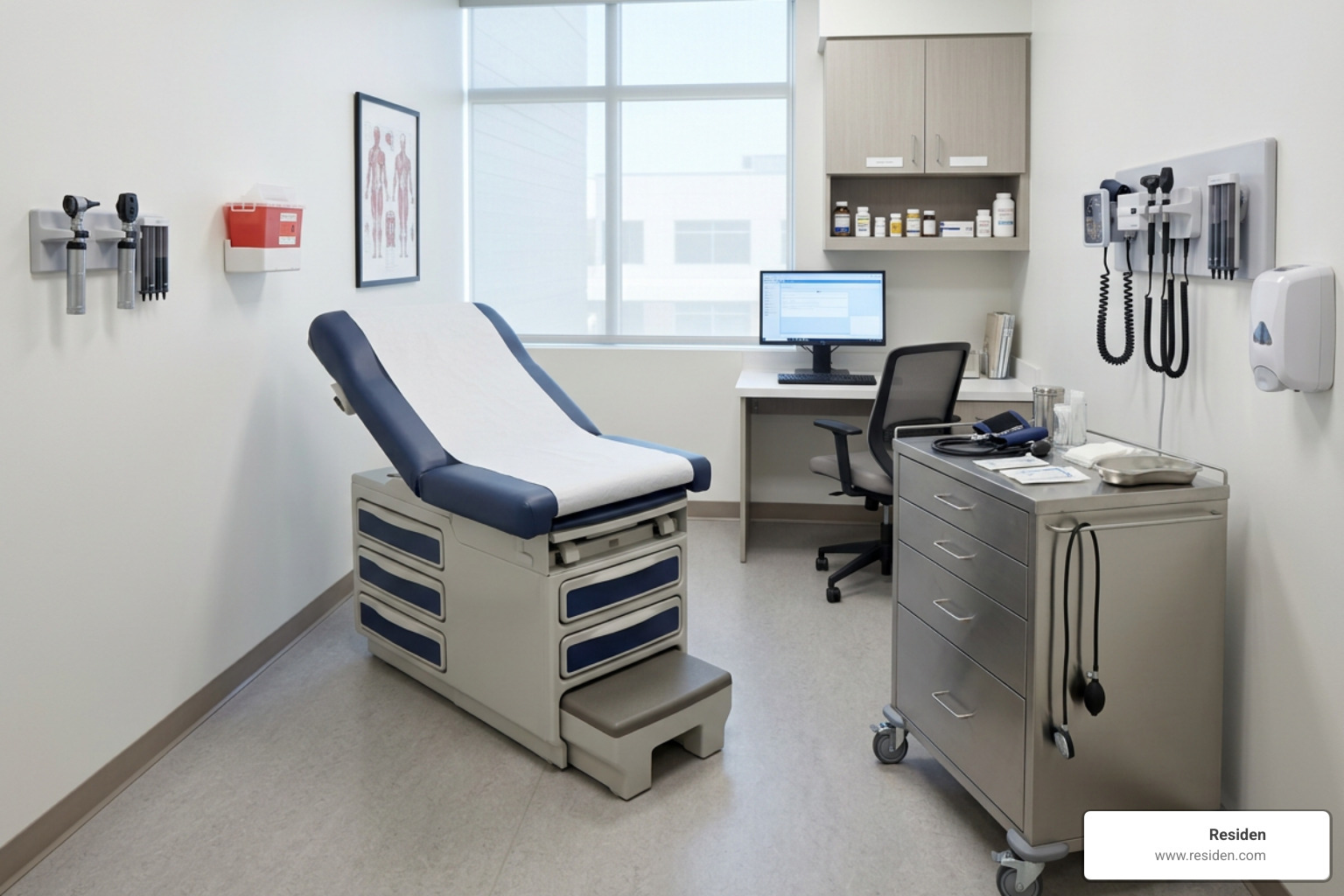
To bypass these initial capital requirements, forward-thinking physicians are turning to flexible medical office solutions. As a turnkey medical office rental provider, we offer premium medical coworking spaces in Brentwood, CA, and Beverly Hills, CA. Physicians can access fully equipped exam, consultation, and procedure rooms rentable hourly, daily, or long-term without long-term leases, membership fees, or setup costs.
For a detailed analysis of lower-risk leasing strategies, review our overview on 5 Cheaper Alternatives to Medical Office Lease Los Angeles.
Leveraging Telehealth and Patient Engagement Tools
Modern practices rely on integrated health technology to streamline operations and enhance patient access:
- Integrated Patient Portals: Allow patients to request prescription refills, view lab results, and message care teams asynchronously.
- Telehealth and Video Consultations: Enable quick follow-ups, medication reviews, and mental health consultations without requiring patients to navigate Westside traffic.
- Online Self-Scheduling: Reduces administrative phone volume while filling last-minute schedule openings.
Summary
Successfully Building a Family Medicine Practice on the Westside of LA requires matching comprehensive clinical scope with smart operational strategies. By offering broad family care—from pediatrics and women's health to preventive medicine—practices create multi-generational patient loyalty.
Establishing hospital referral networks and integrating community health initiatives ensures patient care continuity. Meanwhile, leveraging a flexible medical office rental provider like Residen in Brentwood or Beverly Hills allows physicians to launch or expand their practice with zero long-term lease commitments, controlled overhead, and fully equipped exam rooms ready on day one.
Frequently Asked Questions About Westside Family Practice Setup
What are the key demographics of patients on the Westside of LA?
The Westside patient demographic includes affluent, commercially insured professionals and families seeking premium, convenient care, older adults requiring chronic disease management, and safety-net populations in need of accessible community healthcare.
What is the average compensation package for a family physician in Los Angeles?
Competitive recruitment packages for family physicians in Los Angeles typically feature a base salary around $260,000, sign-on bonuses near $15,000, fully covered healthcare benefits, CME allowances, and regular ambulatory working hours without night or weekend call.
How can a new practice lower initial capital expenditure on the Westside?
Physicians can dramatically reduce startup costs by utilizing a flexible medical coworking space rather than signing a traditional long-term commercial lease. Utilizing turnkey exam and procedure rooms on an hourly or daily basis eliminates expensive buildout costs, equipment purchases, and long-term lease liabilities.
Conclusion
Establishing a independent practice in West Los Angeles is a rewarding endeavor when backed by the right operational model. By delivering thorough, patient-centered clinical care and utilizing modern practice technology, physicians can build lasting relationships across the community. Controlling initial real estate overhead ensures your practice remains nimble, financially healthy, and focused on patient outcomes.
To learn how flexible workspace rentals can support your practice launch or growth, Explore Residen Flexible Medical Workspace Locations.