No results found Find resources, guides, and discussions about the world of independent practice. Jessica Wu 10/13/26 Jessica Wu 10/13/26 All About the True Cost of an Empty Appointment Slot Read More Jessica Wu 10/11/26 Jessica Wu 10/11/26 A Quick Start Guide to Knowing When to Hire Your First Employee Read More Jessica Wu 10/9/26 Jessica Wu 10/9/26 Breaking Up With Your Landlord Read More Jessica Wu 10/5/26 Jessica Wu 10/5/26 Stop Paying for Empty Space with Flexible Medical Rentals Read More Jessica Wu 9/24/26 Jessica Wu 9/24/26 How Injectors Can Launch a Boutique Practice Faster Read More Jessica Wu 9/23/26 Jessica Wu 9/23/26 Medical Assistant vs. Receptionist Hiring Priorities Demystified Read More Jessica Wu 9/20/26 Jessica Wu 9/20/26 5 KPIs Every Practice Owner Should Track Read More Jessica Wu 9/16/26 Jessica Wu 9/16/26 How to Reduce Administrative Burnout in a Medical Office Effectively Read More Jessica Wu 9/13/26 Jessica Wu 9/13/26 Luxury Patient Experience Survival Guide Read More Jessica Wu 9/10/26 Jessica Wu 9/10/26 Booking Your Next Exam Room Without the Blood Pressure Spike Read More Jessica Wu 9/9/26 Jessica Wu 9/9/26 The Complete Guide to Building a Family Medicine Practice on the Westside of LA Read More Jessica Wu 9/6/26 Jessica Wu 9/6/26 Step-by-Step Guide to Building a High-End Client Experience in Beverly Hills Read More Jessica Wu 9/3/26 Jessica Wu 9/3/26 15 Smart Ways to Avoid Costly Ownership Mistakes You’ll Wish You Knew Sooner Read More Jessica Wu 8/31/26 Jessica Wu 8/31/26 Brentwood Medical Office Rental Options That Won't Make Your Head Spin Read More Jessica Wu 8/27/26 Jessica Wu 8/27/26 A Practical Guide to Creating a Five-Star Patient Experience Read More Jessica Wu 8/25/26 Jessica Wu 8/25/26 The Ultimate Checklist for AI Tools for Independent Physicians Read More Jessica Wu 8/19/26 Jessica Wu 8/19/26 Detailed Guide to What Successful Independent Doctors Do Differently Read More Jessica Wu 8/18/26 Jessica Wu 8/18/26 A Quick Start Guide to The Physician's Guide to Financial Freedom Read More Jessica Wu 8/13/26 Jessica Wu 8/13/26 How to Get Your First 100 Patients in 6 Simple Steps Read More Integrations Adaptify 8/10/26 Integrations Adaptify 8/10/26 A Practical Guide to Scaling from One Medical Location to Multiple Read More Older Posts
Jessica Wu 10/13/26 Jessica Wu 10/13/26 All About the True Cost of an Empty Appointment Slot Read More
Jessica Wu 10/11/26 Jessica Wu 10/11/26 A Quick Start Guide to Knowing When to Hire Your First Employee Read More
Jessica Wu 10/5/26 Jessica Wu 10/5/26 Stop Paying for Empty Space with Flexible Medical Rentals Read More
Jessica Wu 9/23/26 Jessica Wu 9/23/26 Medical Assistant vs. Receptionist Hiring Priorities Demystified Read More
Jessica Wu 9/16/26 Jessica Wu 9/16/26 How to Reduce Administrative Burnout in a Medical Office Effectively Read More
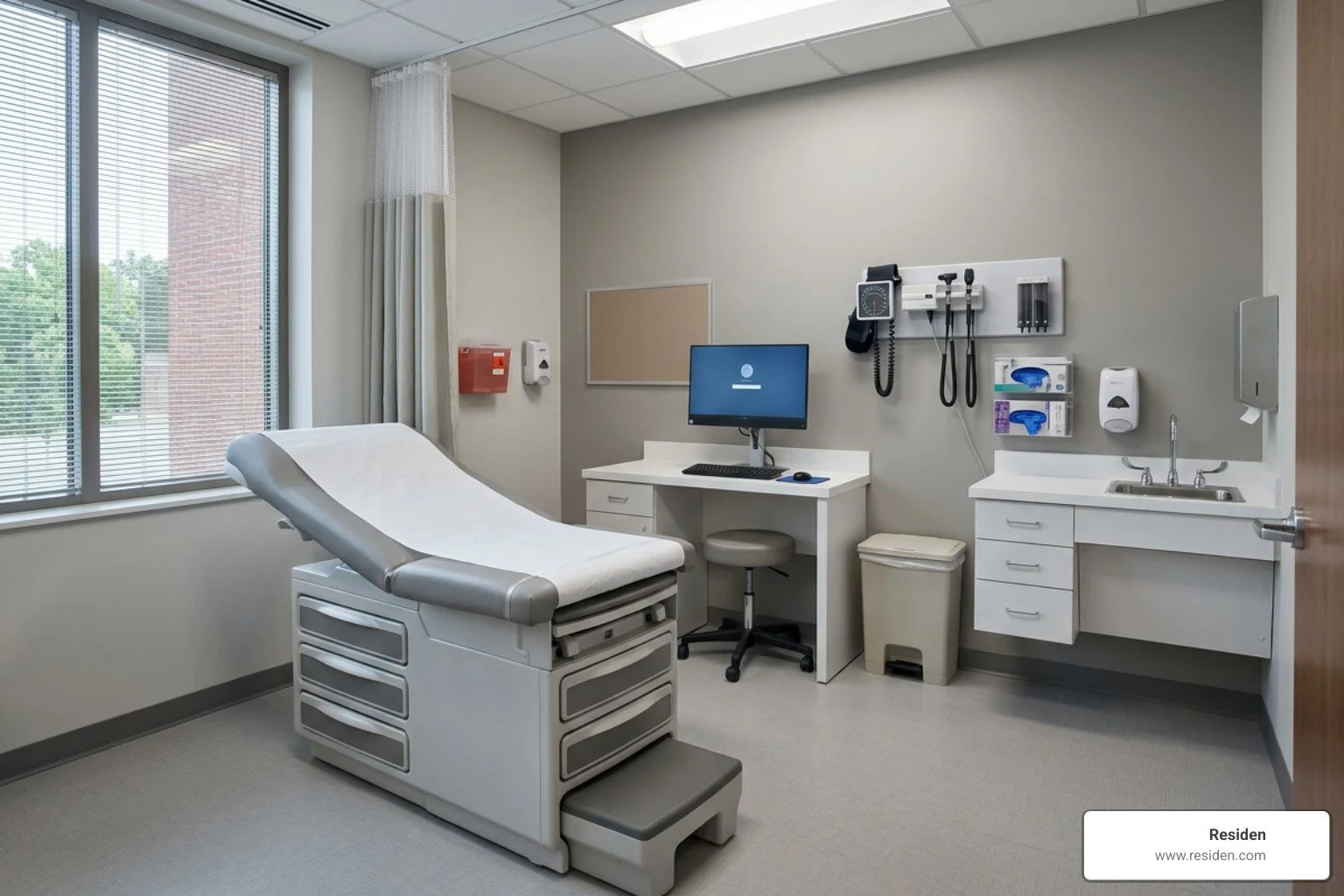
Jessica Wu 9/10/26 Jessica Wu 9/10/26 Booking Your Next Exam Room Without the Blood Pressure Spike Read More
Jessica Wu 9/9/26 Jessica Wu 9/9/26 The Complete Guide to Building a Family Medicine Practice on the Westside of LA Read More
Jessica Wu 9/6/26 Jessica Wu 9/6/26 Step-by-Step Guide to Building a High-End Client Experience in Beverly Hills Read More
Jessica Wu 9/3/26 Jessica Wu 9/3/26 15 Smart Ways to Avoid Costly Ownership Mistakes You’ll Wish You Knew Sooner Read More
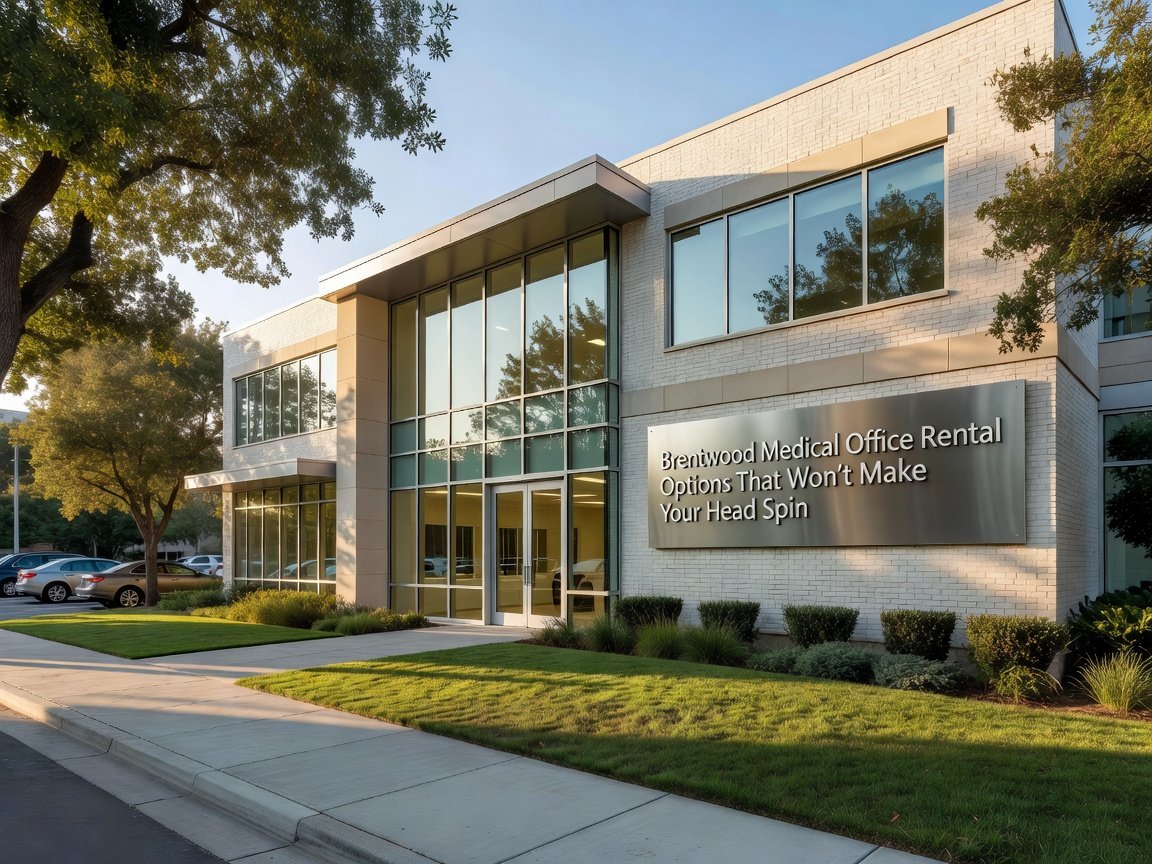
Jessica Wu 8/31/26 Jessica Wu 8/31/26 Brentwood Medical Office Rental Options That Won't Make Your Head Spin Read More
Jessica Wu 8/27/26 Jessica Wu 8/27/26 A Practical Guide to Creating a Five-Star Patient Experience Read More
Jessica Wu 8/25/26 Jessica Wu 8/25/26 The Ultimate Checklist for AI Tools for Independent Physicians Read More
Jessica Wu 8/19/26 Jessica Wu 8/19/26 Detailed Guide to What Successful Independent Doctors Do Differently Read More
Jessica Wu 8/18/26 Jessica Wu 8/18/26 A Quick Start Guide to The Physician's Guide to Financial Freedom Read More
Integrations Adaptify 8/10/26 Integrations Adaptify 8/10/26 A Practical Guide to Scaling from One Medical Location to Multiple Read More